Ophium: The Brutalist Typeface That Packs a Visual Punch
Fonts are more than just letters on a page — they’re the heartbeat of your design. If you're looking for something that doesn’t just stand out but demands attention, Ophium is the typeface you need to know about. With its bold geometry and aggressive flair, this font isn’t afraid to make a statement. It’s not your average go-to for headlines or body text; it’s a tool for those who want their message to cut through the noise.
What Makes Ophium Unique?
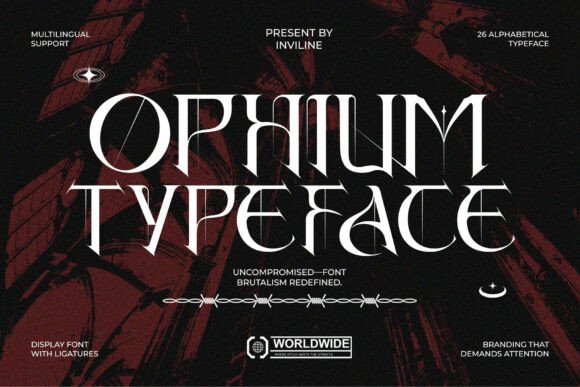
Ophium is a brutalist display typeface that blends elegance with an edge. Its razor-sharp serifs and angular forms give it a raw, unapologetic look, while the inclusion of unique ligatures adds a layer of sophistication. The visual energy in Ophium feels like barbed wire wrapped in typography — intense, memorable, and impossible to ignore. Available in both OTF and TTF formats, it supports multilingual characters and OpenType features, making it versatile despite its tough appearance.
Design Characteristics at a Glance
- Razor-Sharp Serifs: These aren’t just decorative — they help each character pop from any background, whether digital or print.
- OpenType Ligatures: Adds typographic finesse where it matters most, especially in logos or branding elements.
- Brutalist Aesthetic: Clean lines meet aggressive angles, perfect for modern yet edgy designs.
- 26 Uppercase Glyphs: Ideal for short, punchy phrases without compromising readability.
Who Can Benefit From Using Ophium?
Ophium might not be everyone’s cup of tea, but if you work in a niche that thrives on boldness and individuality, this font could become your secret weapon. Let’s break down some of the real-world scenarios where it shines.
Streetwear Branding
Imagine you’re launching a new streetwear line aimed at urban youth. Your logo needs to scream attitude while still feeling premium. Ophium hits that sweet spot. Its uppercase structure makes it ideal for logotype creation, and the angular details give your brand a gritty, high-energy vibe. Pair it with a dark color palette and minimal graphics, and you’ve got a look that’s instantly recognizable and powerfully authentic.
Metal Music Artwork
If you’re designing album covers or band merchandise for a metal group, Ophium offers the kind of intensity that matches the genre. It’s not just loud — it’s authoritative. Think of how bands like Slipknot or System of a Down use typography to convey their identity. Ophium can do the same, helping you create visuals that resonate with fans and reflect the music’s ferocity.
Editorial Layouts and Magazine Covers
For editorial designers working on fashion magazines, underground zines, or alternative culture publications, Ophium can serve as a striking headline font. Its brutality adds drama to feature stories or photo spreads. When used sparingly, it becomes a focal point that draws readers in, making it great for cover titles or pull quotes in print layouts.
Experimental Posters and Event Flyers
Artists and event organizers often push boundaries when creating posters for concerts, art shows, or film screenings. Ophium’s unconventional style works well in these contexts. For example, a local punk show flyer using Ophium in the main title will immediately set the tone — raw, unfiltered, and ready to ignite passion. It’s also effective in avant-garde exhibitions or poetry readings where the typography is part of the experience.
Freelancers and Creative Professionals
Graphic designers, especially those working with clients in the fashion, entertainment, or lifestyle industries, can leverage Ophium to add personality to their projects. It’s particularly useful for clients who want to communicate strength, rebellion, or uniqueness without being too over-the-top. The font’s versatility across languages means you can confidently use it in international campaigns or multilingual portfolios.
Entrepreneurs and Small Business Owners
Small businesses targeting a niche audience — think tattoo studios, custom bike shops, or independent record stores — can benefit from Ophium’s commanding presence. It helps build a strong visual identity that aligns with the business's ethos. For instance, a boutique selling handmade leather jackets might use Ophium on signage or packaging to emphasize craftsmanship and rugged style.
Real Outcomes From Real Use
One designer shared how Ophium transformed their portfolio site into a more cohesive and powerful platform. By using it for section headers and project titles, they noticed increased engagement from potential clients who were drawn to the boldness and clarity of the layout. Another user, a small business owner, integrated Ophium into their store’s signage and reported that customers started associating the font with the brand’s identity, reinforcing loyalty and recognition.
Even educators have found creative ways to use Ophium. In a typography class, students experimented with it for poster assignments focused on social issues. The font helped them craft messages that felt urgent and impactful, turning abstract concepts into visually compelling statements.
How to Choose the Right Format
Before downloading Ophium, consider which format suits your workflow best. If you're using Adobe products like Photoshop or Illustrator, the OTF version will give you access to advanced typographic controls. For web developers or those using simpler tools, the TTF format ensures broad compatibility. Both formats come packed with the same sharp, expressive glyphs, so your choice should depend on your software preferences and technical requirements.
When Not to Use Ophium
Despite its strengths, Ophium isn’t a one-size-fits-all solution. Its uppercase-only limitation means it’s better suited for short bursts of text rather than long paragraphs. Also, because of its heavy weight and complex shapes, it may not render clearly on all screens or in low-resolution prints. Always test it in your intended environment before finalizing a design.
Another consideration is the emotional impact. While aggression and boldness can be assets in certain industries, they might clash with softer brand identities. If your project leans toward minimalism or tranquility, Ophium could feel jarring. Use your judgment based on the message you want to send and the audience you aim to reach.
Getting Started With Ophium
Once you’ve decided that Ophium fits your project, start by integrating it into key visual elements. Try pairing it with a neutral sans-serif for contrast in a magazine layout or using it alone for maximum impact in a logo. Don’t forget to adjust spacing and alignment — even the sharpest font needs careful placement to avoid overwhelming the viewer.
Also, take advantage of its OpenType features. Many users overlook the value of ligatures until they see how much smoother and more professional the text looks. Experiment with different combinations to find what feels right for your message and medium.
Where to Download and How Much Does It Cost?
Ophium is available from select font marketplaces and direct vendor sites. Prices vary depending on usage rights — personal vs. commercial licenses — so always check what’s included. Some platforms offer free trials or limited-use versions, which can be helpful if you’re unsure whether the font will fit your needs. Make sure to read the licensing terms carefully before purchasing, especially if you plan to use it in client projects or online content.
Final Thoughts
Ophium is more than just a font — it’s a design element that carries emotion, energy, and intent. Whether you’re crafting a brand identity, designing an album cover, or building a website for a niche business, it can elevate your work with its unique blend of form and function. But like any powerful tool, it requires thoughtful application to avoid miscommunication or visual overload.
So next time you’re hunting for a typeface that doesn’t play by the rules, remember: Ophium isn’t here to whisper — it’s here to shout.