Luca: A High Contrast Typeface That Elevates Your Designs
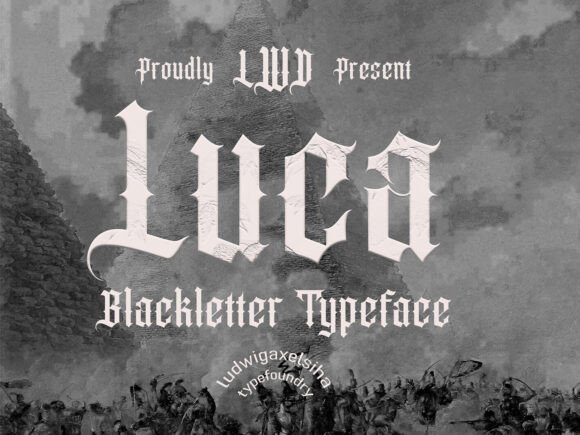
If you're on the lookout for a typeface that commands attention and adds a modern, bold edge to your creative projects, Luca might just be the one you need. Designed with a striking high contrast between thick and thin strokes, Luca brings a unique charm and versatility to everything from branding materials to digital content. Its clean yet dynamic structure makes it ideal for both print and screen use, appealing to designers of all skill levels who want to make their work stand out.
Why People Choose Luca
High contrast fonts like Luca are becoming increasingly popular in the design world because they offer a fresh visual language. They’re not only aesthetically pleasing but also functional when used correctly. Luca’s editorial style allows it to perform well in headlines, logos, packaging, and even body text in some contexts. Whether you're crafting a poster for an event or designing a logo for a new brand, Luca can inject energy and clarity into your message.
Its adaptability across different mediums is another big draw. You’ll find it works beautifully on physical items such as stickers and T-shirts, while also shining in digital environments like YouTube thumbnails, Instagram posts, and website headers. Because of its sharpness and legibility, it’s especially useful for creators who rely on clear communication without sacrificing style.
Common Mistakes When Using Luca
- Ignoring Legibility at Smaller Sizes: While Luca looks stunning in large formats, using it for small body text can reduce readability. The high contrast that gives it character may become a liability in fine print.
- Mismatching with Brand Tone: Choosing Luca without considering your brand's identity can lead to inconsistencies. If your brand is minimalist or traditional, this font may feel too dramatic or out of place.
- Overusing It Without Hierarchy: Designers often apply Luca across multiple elements in a project, thinking it will create cohesion. However, without thoughtful typography hierarchy, it can overwhelm the viewer and dilute the message.
- Not Checking Licensing Before Use: One common oversight is failing to review the licensing agreement when downloading or purchasing Luca. This can result in legal issues if used commercially without proper authorization.
How These Mistakes Can Impact Your Work
When legibility is compromised, your audience may struggle to read your content—especially if it's crucial information like pricing, contact details, or product descriptions. This can hurt engagement and conversion rates. Similarly, mismatching Luca with your brand tone could confuse your audience or damage your credibility. Imagine using a bold, editorial font for a luxury perfume label; it may clash with the elegance you're trying to convey.
Typography plays a vital role in user experience. Overusing Luca without establishing a clear visual hierarchy can lead to cluttered designs where no element stands out. On the other hand, using it sparingly and strategically can guide the viewer’s eye and enhance the overall message. Also, not verifying the license before using Luca in commercial projects could expose you to potential legal risks, which is why it's always better to double-check before finalizing any design.
Practical Tips to Avoid Common Errors
To ensure you get the most out of Luca, consider these practical steps:
- Use It Wisely in Body Text: Reserve Luca for headlines, logos, or short impactful phrases. For longer paragraphs, pair it with a more readable secondary font to maintain clarity.
- Align with Brand Identity: Evaluate whether Luca fits your brand’s personality. Does it match the mood you want to evoke? If your brand is playful and contemporary, it likely will. But if it's classic and understated, you may need a subtler option.
- Create Visual Hierarchy: Let Luca take center stage by limiting its use to key design elements. Pair it with complementary fonts for subheadings and supporting text to balance aesthetics and functionality.
- Review Licensing Agreements: Always check the terms of use provided by the font foundry or platform. Some licenses restrict commercial use unless you purchase a specific version.
Real-World Examples of Better Approaches
Let’s say you’re creating a flyer for a music festival. Using Luca for the headline “Summer Sounds Festival” would immediately grab attention. Instead of applying the same font for venue details and time schedules, switch to a simpler sans-serif like Montserrat or Lato. This way, the festival name becomes the focal point, while the supporting text remains easy to scan.
In another example, a boutique clothing brand wants to launch a new line. They choose Luca for the logo and promotional banners due to its bold presence. However, instead of printing the entire product catalog in Luca, they opt for a cleaner serif font in the body text. This decision ensures the brand feels modern and stylish, while still keeping the catalog readable and professional.
What to Check Before Making a Decision
Before committing to Luca for your next project, ask yourself the following questions:
- Will the font remain legible at the intended size?
- Does it align with the tone and values of my brand or message?
- Am I using it in a way that supports visual hierarchy and usability?
- Do I understand the licensing requirements for how I plan to use it?
Answering these honestly will help you avoid unnecessary pitfalls and ensure that your design choices serve both form and function.
Using Luca Across Different Platforms
One of the strengths of Luca is its compatibility with various platforms and tools. Whether you're working in Adobe Photoshop, Illustrator, or using online tools like Canva and Corjl, Luca integrates smoothly and enhances the visual appeal of your compositions. Here’s how to optimize it for different uses:
- Cricut Projects: Luca is excellent for vinyl lettering and signage. Make sure to set the correct stroke width so the letters cut cleanly and look crisp on finished products.
- Digital Media: When designing for social media or websites, test Luca at different resolutions. It should retain its bold character on mobile screens and desktops alike.
- Print Materials: For posters, magazines, or book covers, pay close attention to color contrast and spacing. Luca’s high contrast works best with dark text on light backgrounds or vice versa.
Pairing Luca with Other Fonts
While Luca is bold and expressive, pairing it with the right fonts can enhance its impact. Consider using it alongside a neutral sans-serif like Open Sans or a soft rounded font like Quicksand to soften the overall design and improve readability. In editorial layouts, a serif font such as Merriweather or Georgia can provide a classic counterbalance, helping to establish a sophisticated visual rhythm.
Avoid pairing Luca with other high-contrast or overly decorative fonts unless you're aiming for a specific avant-garde aesthetic. Too many competing styles can make your layout feel chaotic rather than cohesive.
Where to Find and How to Buy Luca
Luca is available through several reputable font foundries and marketplaces. When purchasing, look for trusted sources like Adobe Fonts, Google Fonts, or independent foundries that specialize in editorial and display typefaces. These platforms often provide previews and usage guidelines to help you decide if Luca is the right fit.
Before buying, take advantage of free trials or demo versions offered by many vendors. This lets you test the font in real-world scenarios and see how it performs under different conditions. If you're using it for personal projects, verify whether the free license includes those uses or if you need to upgrade for commercial applications.
Learning to Use Luca Effectively
If you're new to typography or have limited design experience, learning how to use Luca effectively can take your skills to the next level. Start by experimenting with different weights and styles (if available) to understand how each variant affects your composition. Practice creating mockups for logos, posters, or social media graphics to see what works best.
Consider taking a beginner-friendly typography course or reading up on basic design principles like contrast, alignment, and spacing. These fundamentals will help you leverage Luca’s features without overcomplicating your designs. Many design software tutorials also walk you through font integration, making it easier to implement in your workflow.
Final Thoughts on Maximizing Luca’s Potential
Luca is more than just a visually striking font—it’s a tool that, when used thoughtfully, can elevate your creative output. By understanding its strengths and limitations, you can avoid common mistakes and ensure it complements your design goals. Whether you're building a brand identity, launching a marketing campaign, or simply looking to add flair to your next project, Luca offers a compelling blend of style and substance.
Remember, great design is about balance. Let Luca shine where it belongs, support it with appropriate secondary fonts, and always verify the technical and legal aspects before publishing. With these considerations in mind, you'll be able to harness the full potential of this remarkable typeface and transform your projects with confidence and creativity.