Shrivel: A Font That Brings the Edge of Chaos to Your Designs
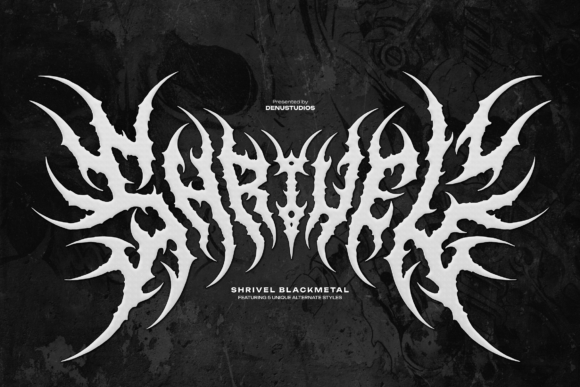
If you're looking for a font that screams intensity, then Shrivel is the name you need to know. Designed with razor-sharp edges and an organic, twisted structure, Shrivel is more than just a display typeface—it's a visual representation of chaos, aggression, and the raw energy found in underground black metal culture. This bold font isn't for the faint of heart; it’s built for those who want their designs to cut through the noise and leave a lasting impression.
What Makes Shrivel Stand Out?
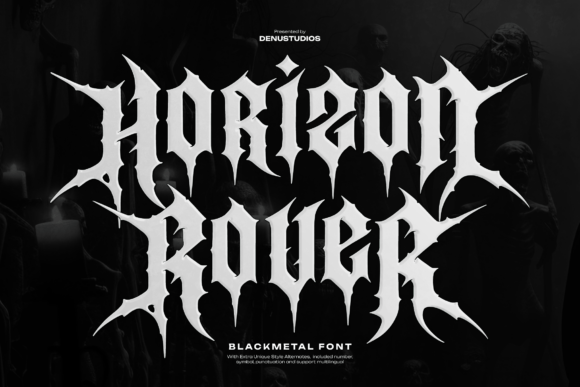
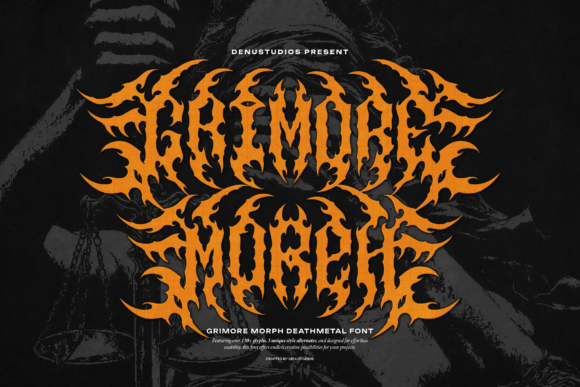
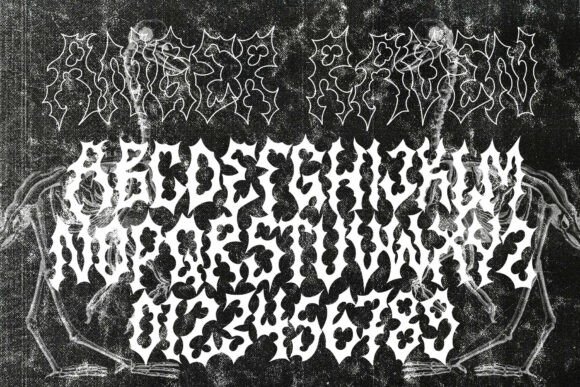
At first glance, Shrivel grabs attention. Its jagged spines and uneven contours mimic the unpredictable nature of extreme music and art. Unlike traditional fonts that aim for readability or elegance, Shrivel leans into the aesthetic of brutality and distortion. Each character feels like it was carved from obsidian and thrown into a firestorm. The five unique alternate styles add even more depth, letting users customize the look to match their vision—whether they're going for pure ferocity or something slightly more refined within the same aggressive framework.
This makes Shrivel ideal for any project that needs a heavy dose of visual impact. It's not about being pretty; it's about making a statement. And in the right context, that kind of statement can be incredibly powerful.
Real-World Use Cases for Shrivel
Extreme Music Branding: If you're designing a logo for a black metal band or creating promotional material for an underground gig, Shrivel fits perfectly. Its chaotic appearance mirrors the genre’s sound and spirit. For example, imagine using it for a band named “Vermillion Abyss.” The font could help amplify the dark, unsettling vibe of the name, making it instantly memorable to fans of the scene.
Album Artwork and Merch Design: Beyond logos, Shrivel works well on album covers, posters, and merchandise like T-shirts or vinyl records. The font doesn’t blend in—it dominates. When paired with moody imagery such as blood-soaked landscapes or occult symbols, Shrivel helps create a cohesive, intense visual identity that aligns with the music itself.
Horror-Themed Projects: Whether you're working on a horror movie poster, a video game title card, or a book cover for a dark fantasy novel, Shrivel adds that extra layer of fear and unease. Its sharp, gnarled letters feel like they’re clawing at the page, which is exactly what you want when trying to unsettle your audience before they even see the rest of the design.
Event Promotions: Concert flyers, festival announcements, or haunted house marketing can all benefit from Shrivel. Picture a local metal show promoting "The Night of Screams"—using this font would make the event feel more dangerous and immersive, encouraging attendance from those who crave the edge of the unknown.
Who Can Benefit from Using Shrivel?
- Graphic Designers: Shrivel offers a fresh way to break away from standard fonts and inject personality into projects that demand uniqueness. It’s particularly useful for niche markets where standing out is essential.
- Entrepreneurs and Small Business Owners: If your brand is in the realms of fashion, lifestyle, or entertainment focused on rebellion, edginess, or the unconventional, Shrivel can become a core part of your visual language.
- Marketers and Publishers: For campaigns targeting fans of extreme genres, Shrivel can serve as a key element in building a strong, recognizable brand image. It also works in print media like zines or fan magazines dedicated to metal culture.
- Freelancers and Bloggers: If you're covering topics like gothic aesthetics, horror, or subcultural movements, Shrivel can enhance headers and pull quotes, giving your content a more visceral feel.
How to Choose the Right Style for Your Project
Shrivel comes with five distinct alternate styles, each offering a slightly different interpretation of its core theme. Here’s how you might choose:
- Style A: Most aggressive and jagged. Best for high-impact visuals like album covers or concert banners.
- Style B: Slightly more structured but still wild. Great for band names or short taglines that need clarity without losing edge.
- Style C: Organic and flowing. Suitable for titles in horror-themed books or films where the text should feel alive and unnatural.
- Style D: Combines angularity with some decorative flourishes. Ideal for t-shirt graphics or tattoo shop promotions.
- Style E: The most stylized and experimental. Works well in digital environments or abstract art pieces where form is as important as function.
The choice between these styles depends on your goal. Are you trying to scream or whisper through typography? Shrivel gives you the tools to decide.
Practical Tips Before You Dive In
While Shrivel is undeniably striking, it's not a one-size-fits-all solution. Here are a few things to consider before using it in your work:
- Readability vs. Impact: Shrivel is designed for display use, not body text. Make sure it’s only used where legibility isn't the main concern—think headlines, logos, or short phrases.
- Contrast with Background: Because of its dark, heavy style, Shrivel often looks best against light or contrasting colors. Test it with your chosen background to ensure it remains visible and impactful.
- Respect the Theme: This font is meant for projects that align with its tone. Using it for something like a children’s toy line or corporate branding may come off as jarring or inappropriate.
- File Format and Licensing: Ensure the version you download includes all the necessary glyphs and alternate characters. Also, check licensing terms if you plan to use it commercially, especially in print or digital distribution.
Examples of Shrivel in Action
Let’s take a moment to imagine Shrivel in action across different platforms:
In a digital ad campaign for a new horror film titled *“Echoes of the Damned,”* Shrivel could be used in the headline. The distorted letters would mirror the psychological unraveling of the story, drawing viewers in with a sense of dread before they even read the plot summary.
For a merchandise line by a rising black metal act, Shrivel might be the perfect fit for a limited-edition hoodie. The font’s rawness complements the rebellious attitude of the music, turning clothing into wearable art.
A music blog post about the evolution of black metal could feature Shrivel in the subheadings. While the body uses a cleaner font, the header treatments add visual weight and thematic consistency, helping readers connect with the content on a deeper level.
Why Shrivel Resonates with Creatives
Designers often face the challenge of finding a font that matches their concept. Shrivel eliminates that struggle for certain types of projects. It’s not just about looking cool—it’s about conveying emotion and intent. The font’s twisted forms speak to themes of rebellion, darkness, and authenticity, which are highly valued in the creative communities it serves.
Another reason Shrivel stands out is its versatility within its niche. Because it has multiple styles, it can adapt to various formats and mediums. A designer might use one variant for a large banner and another for a small label, ensuring the message stays consistent while maintaining visual interest.
Additionally, Shrivel is a great conversation starter. It signals that the user understands their audience and is willing to take risks in their design choices. In a market saturated with generic fonts, Shrivel helps your work cut through the clutter and be remembered.
Where to Get Shrivel and What to Expect
Shrivel is typically available through specialized font retailers or independent designers who focus on alternative and avant-garde typography. Be prepared to pay a premium for its unique quality and the effort that went into crafting its brutal aesthetic. However, the investment is often worth it for those who need that extra punch in their visuals.
Once downloaded, you’ll likely find that Shrivel supports a wide range of special characters, including ligatures and stylistic alternates. These features allow for greater customization, so you can tailor the font to suit your exact needs rather than settling for a one-size-fits-all approach.
Shrivel as Part of a Larger Design Strategy
Font choice is rarely an isolated decision. Shrivel works best when it’s part of a broader visual strategy. Think of it as the vocal growl in a song—too much and it becomes overwhelming, but used correctly, it adds texture and depth.
Consider how Shrivel interacts with other design elements. Pair it with dark color palettes, gritty textures, or minimal backgrounds to let the font do the talking. Avoid overloading the design with too many competing elements, as Shrivel already brings a lot of energy to the table.
Also, remember to test it in real-world conditions. How does it look on a printed poster versus a screen? Does it hold up in smaller sizes, or is it purely for large-scale applications? These questions will help you determine whether Shrivel is the right fit for your specific project.
Final Thoughts
Shrivel is more than just a font—it’s a tool for expression. It thrives in environments where subtlety isn’t the goal and where the design must reflect the raw power of the subject matter. Whether you're a musician branding your next release or a designer pushing boundaries in a horror-themed project, Shrivel can elevate your work from good to unforgettable.
But it’s not for everyone. It requires a clear understanding of the audience and the message you want to convey. Used wisely, Shrivel can become a signature element of your creative output, setting you apart in a crowded field. Used carelessly, it might lose its effect—or worse, alienate your audience.
So if your project needs a font that embodies chaos, aggression, and visual brutality, Shrivel is a compelling option. Just make sure it’s the right voice for your message, and you’ll find yourself reaching new levels of creative impact.