Helena: A Handwritten Font That Adds Romance and Elegance to Your Designs
When it comes to typography, the right font can transform a simple message into something truly memorable. Helena is one such font that stands out for its unique blend of style and readability. Designed with authenticity in mind, Helena offers a handwritten feel that brings warmth and charm to any design project. Whether you're working on branding, invitations, or editorial content, this font provides a romantic and expressive touch that resonates with both creators and audiences.
The Essence of Helena
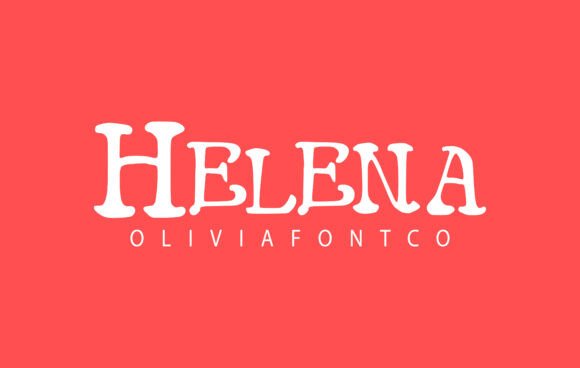
Helena is more than just a font—it's an experience. Its organic strokes and fluid curves mimic the natural movement of a human hand, making it feel personal and inviting. This characteristic makes Helena ideal for projects where you want to evoke emotion or create a sense of intimacy. Unlike many other script fonts that can be difficult to read, Helena maintains a high level of legibility without sacrificing its artistic appeal.
What sets Helena apart is its balance between creativity and practicality. It’s not just beautiful; it's also versatile enough to serve as body text in certain contexts. This dual functionality means designers can use it across multiple elements of a project without worrying about readability issues. The font's consistent rhythm and spacing contribute to its usability, ensuring that even long passages remain easy to follow.
Design Characteristics
- Handwritten Style: Each letter feels like it was crafted by hand, giving your designs a personalized and authentic look.
- Romantic Aesthetic: With soft curves and elegant flourishes, Helena is perfect for wedding invitations, love letters, and other romantic content.
- Legibility: Despite being a script font, Helena is designed to maintain clarity at various sizes and resolutions.
- Neutral Tone: While romantic, Helena avoids overly dramatic shapes, making it suitable for a wide range of styles and themes.
Where Helena Shines
Helena’s adaptability makes it a valuable asset in numerous design scenarios. Here are some common uses where this font truly excels:
Magazine Headlines and Editorial Design
In the world of magazines and editorial content, headlines need to capture attention while still conveying the tone of the article. Helena’s bold yet graceful appearance works well for feature titles, especially in fashion, lifestyle, or literary publications. Its ability to stand out without overwhelming the layout allows for creative headline design that enhances visual storytelling.
Social Media and Web Content
On social media platforms and websites, first impressions matter. Helena adds a layer of sophistication and approachability to captions, banners, and call-to-action buttons. It’s particularly effective when used in short bursts—like quotes, announcements, or promotional copy—where its elegance can elevate the overall aesthetic without cluttering the screen.
Branding and Logo Design
For brands aiming to convey warmth, creativity, or a personal touch, Helena is a strong contender. It can be used in logo design, taglines, or brand slogans to reflect a more artisanal or bespoke identity. The font complements industries such as beauty, fashion, stationery, and wellness, where emotional connection is key.
Wedding Invitations and Stationery
Helena has become a favorite among event planners and couples looking for a distinctive yet readable font for their wedding invites. Its romantic flair pairs beautifully with floral motifs, watercolor backgrounds, and vintage elements. When used in conjunction with complementary sans-serif or serif fonts, Helena helps create a cohesive and stylish suite of wedding stationery.
Cards and Greeting Cards
Whether it's a birthday card, thank-you note, or holiday greeting, Helena adds a personal signature to each piece. The font gives a sense of sincerity and care, which is essential for handwritten-style cards. It’s also great for customizing digital cards, allowing users to maintain the handwritten feel while leveraging modern tools for distribution and printing.
Who Can Benefit from Using Helena?
Helena is a go-to choice for several types of professionals and individuals:
- Graphic Designers: Those who work on branding, editorial layouts, and promotional materials will find Helena useful for adding a human element to their designs.
- Business Owners: Entrepreneurs in niche markets like boutique retail, cafes, or creative services can use Helena to enhance their visual identity and customer engagement.
- Content Creators: Bloggers, YouTubers, and Instagrammers can incorporate Helena into headers, thumbnails, or quote graphics to make their content more visually appealing.
- Event Planners: From weddings to baby showers, Helena is a reliable font that adds a touch of romance and elegance to all kinds of events.
- Stationery Enthusiasts: Anyone passionate about creating beautiful paper goods or digital templates will appreciate how Helena blends style with function.
Strengths and Considerations
One of Helena’s greatest strengths is its balance. It doesn’t lean too heavily into ornate script styles that might hinder readability, nor does it lose its character by becoming too generic. However, there are some considerations to keep in mind when choosing this font for your project:
- Use with Care in Long Text: While Helena is legible, it may not be the best option for large blocks of body text due to its script nature.
- Complementary Fonts Are Key: To ensure harmony in design, pair Helena with more structured typefaces for contrast and balance.
- Consistency in Application: Helena works best when used consistently across related design elements to reinforce brand or thematic identity.
Real-World Applications of Helena
Let’s explore some real-world examples of how Helena can be applied effectively:
Example 1: Wedding Invitation Suite
A couple designing their wedding invitations chose Helena for the main title. They paired it with a clean sans-serif font for addresses and details, resulting in a balanced yet elegant design. The font added a personal touch that matched the couple's vision of a romantic, intimate celebration.
Example 2: Fashion Brand Website
A boutique fashion label used Helena in their hero section to highlight seasonal collections. The font helped establish a brand voice that felt curated and artistic, aligning perfectly with their target audience of style-conscious shoppers.
Example 3: Social Media Campaign
A skincare company launched a "Self-Care Sunday" campaign using Helena in their Instagram posts. The font’s warm and inviting style made the message feel genuine and heartfelt, increasing user engagement and brand loyalty.
How to Choose Helena for Your Project
If you're considering using Helena in your next design, here are a few tips to help determine if it's the right fit:
- Understand Your Audience: Does your audience respond well to handwritten or personal styles? If so, Helena could be a good match.
- Assess Readability Needs: Will Helena be used for body text or only in headings and accents? Prioritize readability based on context.
- Test in Different Sizes: Before finalizing, test Helena at various sizes to ensure it remains clear and impactful across devices and print formats.
- Pair Thoughtfully: Use Helena alongside a secondary font that contrasts but complements it, enhancing the overall typographic hierarchy.
Practical Expectations When Using Helena
While Helena is highly praised for its aesthetic qualities, it's important to have realistic expectations when incorporating it into your workflow:
- It May Require More Time to Design: Script fonts often need more attention to alignment, spacing, and consistency compared to standard typefaces.
- Not Ideal for All Languages: Some languages or characters may not be fully supported, depending on the version or platform you're using.
- May Need Custom Kerning: In some cases, adjusting the space between specific letters can improve the flow and appearance of the text.
- Font Licensing Matters: Always verify the licensing terms before using Helena in commercial projects to avoid legal issues.
Getting Started with Helena
If you’re ready to try Helena in your next project, start by downloading it from a trusted font marketplace or designer site. Once installed, experiment with different applications to see what works best for your needs. Don't forget to consider the background, color palette, and overall design theme to ensure Helena integrates seamlessly and enhances your message rather than distracts from it.
Remember, the goal of typography is to support the content—not overshadow it. Helena should be chosen based on how well it fits the tone, purpose, and audience of your project. By understanding its characteristics and limitations, you can make informed decisions that lead to more effective and beautiful designs.
Final Thoughts on Helena
In a market filled with countless fonts, Helena distinguishes itself through its thoughtful design and broad applicability. Whether you're a professional designer or someone just starting out, this font offers a way to infuse personality and elegance into your work. Its romantic feel and legibility make it a powerful tool for storytelling, branding, and visual communication.
By keeping its strengths and considerations in mind, you can confidently evaluate whether Helena is the right choice for your upcoming project. Ultimately, the best way to know is to try it yourself and see how it brings your ideas to life.