Shadebound: A Gothic Typeface That Brings Medieval Elegance to Modern Design
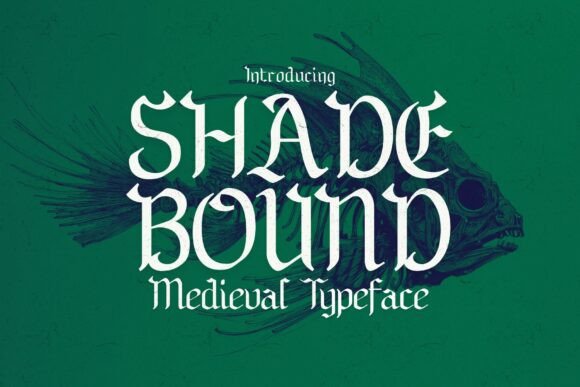
When you're designing something that needs to feel timeless, dramatic, or deeply rooted in history, the right font can make all the difference. Enter Shadebound, a medieval Gothic typeface that breathes life into your projects with its hand-painted brushwork and solemn, ancient aesthetic. Whether you're creating a book cover for a fantasy novel, branding a dark-themed band, or designing a logo for a niche business, Shadebound offers a powerful visual identity steeped in tradition.
What Makes Shadebound Unique?
At first glance, Shadebound feels like it was pulled from the pages of an old illuminated manuscript. Its characters are crafted with attention to every stroke, curve, and flourish—each one echoing the craftsmanship of centuries-old scribes. The texture and weight of the letters give them a tactile, almost painted quality, making them stand out on both digital and print media. Unlike many fonts that try too hard to mimic historical styles, Shadebound feels authentic but remains usable in modern contexts.
Why Choose a Gothic Typeface Today?
Gothic fonts have made a strong comeback in recent years, especially among designers working in genres like fantasy, horror, gaming, and even luxury fashion. They evoke a sense of mystery, strength, and sophistication. Shadebound isn't just another revivalist font; it's a tool that helps you communicate specific emotions and themes without relying on imagery alone. It's perfect when you want to tell a story through typography—whether it's about nobility, darkness, or the arcane.
Real-World Uses for Shadebound
Let’s break down some practical scenarios where Shadebound truly shines:
- Book Covers & Publishing: Authors of fantasy, historical fiction, or horror often need a font that sets the tone before readers even open the book. Shadebound can lend an air of gravitas to titles like "The Last Monastery" or "Whispers in the Shadow."
- Band Logos and Merchandise: If your music leans toward the atmospheric, folk, or metal genres, this font could be exactly what you need to create a striking visual presence. Think of how it would look on a vinyl sleeve or concert poster.
- Game Interfaces and Titles: For indie game developers or those crafting immersive RPG experiences, Shadebound can help build atmosphere. Use it for title screens, quest logs, or in-game menus to enhance the medieval or mystical vibe.
- Poster Design: Whether you're promoting a film festival, a live event, or a themed exhibition, Shadebound adds a level of visual storytelling that words alone might miss. Pair it with appropriate imagery for maximum impact.
- Brand Identity for Niche Businesses: From artisanal wineries to candle makers selling “dark magic” scents, Shadebound can anchor a brand in a unique, memorable place. It's ideal for businesses aiming to stand out by embracing a more esoteric or noble image.
- Wedding Invitations and Special Events: While not traditional, some couples or event planners go for a gothic or romantic theme. Shadebound brings an element of grandeur and elegance suitable for such occasions.
How Different Users Can Benefit from Shadebound
Designers aren’t the only ones who can take advantage of this font. Let’s explore how various users might apply it:
Freelancers and Creatives: As a freelance graphic designer, having a versatile yet distinct font in your toolkit is essential. Shadebound allows you to cater to clients looking for a unique typographic solution, whether they’re launching a new product or rebranding an old one.
Entrepreneurs and Small Business Owners: Imagine a boutique selling handcrafted jewelry inspired by medieval Europe. Using Shadebound in their packaging and signage could instantly elevate the perceived value and authenticity of their products.
Bloggers and Content Creators: If your blog focuses on history, mythology, or anything related to the Middle Ages, using Shadebound for headers or pull quotes can reinforce your content's theme without overwhelming the reader.
Marketers and Advertisers: When targeting audiences who appreciate artistry, nostalgia, or fantasy, marketers can use Shadebound in promotional materials to create a deeper emotional connection. It works especially well in campaigns for board games, role-playing communities, or historical documentaries.
Teachers and Educators: History teachers, literature professors, or anyone involved in educational design can use Shadebound to make course materials or presentations feel more engaging and immersive. A presentation on the Gothic architecture of Chartres Cathedral suddenly feels more alive with the right typography.
Practical Examples of Shadebound in Action
Here are a few real-life examples of how different professionals might use Shadebound:
- A fantasy novelist uses Shadebound for her book’s chapter headings to reflect the mythical tone of her story. The font becomes part of the narrative experience, enhancing the reader's immersion.
- An indie game developer integrates Shadebound into the UI of their latest project, a dark fantasy adventure. The font complements the artwork and makes text elements feel cohesive and purposeful.
- A local pub owner wants to create a medieval tavern ambiance. He uses Shadebound on his signage and beer labels, giving customers a sense of stepping back in time the moment they walk in.
- A wedding planner curates a gothic-themed ceremony. She chooses Shadebound for the invitations and program to add a touch of elegance and mystique that aligns perfectly with the overall aesthetic.
Things to Consider Before Choosing Shadebound
While Shadebound is incredibly expressive and visually rich, it's important to consider how it fits within your overall design. Here are a few tips to keep in mind:
- Readability Matters: Gothic fonts can sometimes be difficult to read at smaller sizes. Ensure Shadebound is used appropriately—typically as display or heading text rather than body copy.
- Contrast and Color: Because of its heavy strokes and intricate details, Shadebound works best on high-contrast backgrounds. Dark colors against white or light gray can really make it pop.
- Context Is Key: Not every project will benefit from a Gothic style. Ask yourself if the font supports your message or theme. If your design is meant to be clean and minimal, Shadebound may not be the best choice.
- Language Support: With support for 65 languages, Shadebound is surprisingly accessible for international projects. Still, always test how it looks in your target language before finalizing your layout.
Pairing Shadebound with Other Fonts
Using a Gothic font like Shadebound as a headline doesn’t mean you should abandon other typographic styles entirely. In fact, pairing it with a simpler, sans-serif font can create balance and improve readability. For example, a title in Shadebound followed by body text in Arial or Helvetica ensures your message is clear while still capturing attention.
Where to Get Shadebound and How to Use It
If you're ready to bring a little Gothic flair into your next project, you can download Shadebound from reputable font marketplaces. Always verify licensing agreements to ensure it meets your usage requirements—especially if you plan to use it commercially or across multiple platforms.
Once installed, Shadebound is easy to integrate into most design software, including Adobe Illustrator, Photoshop, and InDesign. You’ll find it responds well to subtle effects like drop shadows or outlines, which can further enhance its dramatic appeal. Don’t forget to experiment with spacing and alignment to get the most out of its character set.
Getting the Most Out of Your Font Investment
Fonts are a small but impactful investment. To maximize the value of Shadebound, consider the following:
- Use it in high-impact areas like logos, headlines, or posters.
- Create templates or presets in your design tools to streamline its application.
- Combine it with hand-drawn textures or watercolor brushes to maintain the handcrafted look it was designed for.
- Keep your designs intentional—don’t overuse it just because it looks cool. Balance is key.
Final Thoughts on Typography and Emotional Impact
In today’s fast-paced digital world, people don’t just consume content—they feel it. Typography plays a huge role in shaping that emotional response. Shadebound doesn’t just look good; it tells a story. It’s not just a font—it’s a bridge between past and present, a way to connect with your audience on a deeper level through visual language.
Whether you're a designer, writer, marketer, or hobbyist, Shadebound gives you the tools to craft messages that resonate. It’s more than a stylistic choice; it’s a means to convey mood, meaning, and memory. So next time you're reaching for a font that commands attention and evokes emotion, let Shadebound be your go-to option.