Diomeca: The Romantic Gothic Serif Font Redefining Dark Elegance in Design
In the ever-evolving world of typography, finding the right font can be the difference between a design that stands out and one that gets lost in the crowd. Diomeca is emerging as a powerful choice for designers seeking to infuse their work with a sense of refined sophistication and dramatic flair. As a romantic Gothic serif font, it blends classic Roman proportions with the bold, sharp edges characteristic of blackletter styles. This unique combination makes Diomeca an ideal tool for creating visual narratives that evoke mystery, luxury, and timeless romance.
Aesthetic Characteristics That Define Diomeca
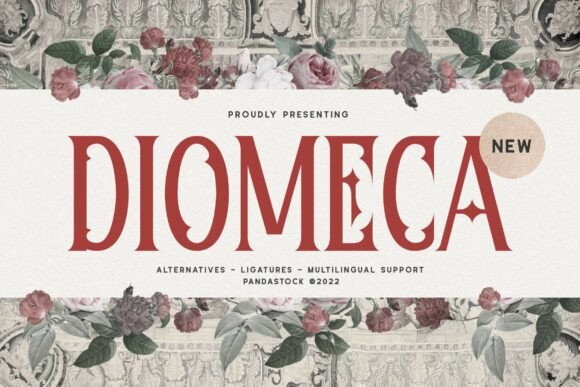
At first glance, Diomeca captures attention with its tall, elongated letterforms. These shapes are not only visually striking but also contribute to a sense of grandeur that's hard to achieve with more conventional fonts. The dramatic vertical contrast—where thick and thin strokes meet with precision—is reminiscent of traditional calligraphy but adapted for modern digital use.
One of the standout features of Diomeca is its wedge-shaped serifs. Unlike the rounded or bracketed serifs found in many serif fonts, these sharp, tapered tips resemble spikes, adding a gothic edge while maintaining readability. The result is a typeface that feels both historical and contemporary, capable of fitting into a wide range of creative contexts without losing its identity.
Why Diomeca Fits Modern Creative Needs
Designers today are constantly looking for tools that allow them to express individuality and cater to niche markets. Diomeca meets this demand by offering a font that’s versatile yet distinctive. Whether used in editorial covers, boutique branding, or wedding stationery, Diomeca brings a level of artistry that resonates with audiences who appreciate detail and depth in visual communication.
The rise of minimalism in design has paradoxically increased the value of expressive typography. While clean, sans-serif fonts dominate much of the web and print landscape, there remains a strong market for fonts that add emotional weight and visual interest. Diomeca fills this gap perfectly by providing a rich, ornate aesthetic that doesn’t overwhelm but instead enhances the message being conveyed.
Luxury Branding and Packaging
For luxury brands, especially those in the fashion, beauty, and lifestyle sectors, the font plays a crucial role in shaping brand identity. Diomeca, with its dark elegance and romantic undertones, is particularly well-suited for perfume labels, high-end fashion logos, and artisanal product packaging. Its ability to project exclusivity and refinement aligns with the expectations of discerning consumers who associate aesthetics with quality.
- Perfume branding: A label using Diomeca immediately suggests sophistication and allure, enhancing the perceived value of the product.
- Boutique stores: From clothing to home goods, Diomeca adds a touch of old-world charm while feeling fresh and modern.
- Botanical products: Its organic curves and structured form make it a compelling choice for natural and wellness-focused packaging.
Fashion Editorials and Editorial Covers
In the realm of fashion magazines and editorial content, typography is key to setting the tone. Diomeca has been gaining traction among editorial designers due to its ability to create a moody, cinematic feel. The font’s dramatic contrasts and elegant structure complement high-fashion photography and storytelling, making it a favorite for cover titles and feature headlines.
Consider how a magazine like Vogue might use Diomeca for a special edition on vintage couture. The font would echo the grandeur of bygone eras while maintaining a contemporary edge. This duality allows editors to craft a narrative that feels both nostalgic and new.
Wedding Stationery and Special Events
Weddings and other formal events often require typography that exudes romance and tradition. Here, Diomeca shines with its ability to evoke a sense of ceremony and intimacy. Its sharp curves and pointed serifs give it a gothic sensibility, which pairs beautifully with hand-drawn illustrations or floral motifs commonly seen in wedding designs.
When applied to invitations, programs, or signage, Diomeca ensures that every piece of stationery carries a distinct personality. It speaks to couples who want their event to feel unique, memorable, and steeped in artistic expression.
Headlines and Visual Impact
Attention-grabbing headlines are essential in any marketing or editorial context. With Diomeca, designers can create headlines that cut through the noise without sacrificing elegance. The font’s strong vertical lines and intricate detailing ensure it commands attention, making it a popular option for posters, billboards, and album covers.
Take, for example, an indie music band launching a new EP with a theme centered around medieval romance. Using Diomeca for the title could help set the mood instantly, drawing listeners into the story before they even hear a note.
Evolution of Gothic Typography in the Digital Age
Gothic fonts have a long and storied history, originating in the Middle Ages and evolving through centuries of typographic development. In recent years, there has been a resurgence of interest in blackletter and related styles, driven by trends in horror aesthetics, steampunk culture, and alternative fashion. However, many traditional Gothic fonts lack the flexibility needed for modern design applications.
That’s where Diomeca steps in. By combining the structural integrity of Roman fonts with the dramatic flair of Gothic lettering, it bridges the gap between historical inspiration and digital usability. Designers no longer need to sacrifice clarity for character when choosing a Gothic-style font.
Adapting to User Expectations and Industry Standards
Today’s users expect designs that are both beautiful and functional. They seek experiences that are immersive and emotionally engaging. Diomeca supports this by allowing designers to maintain legibility at smaller sizes while still delivering a strong visual statement. This adaptability is crucial in responsive design, where typography must scale across devices without losing its impact.
Moreover, as brands increasingly focus on storytelling and emotional resonance, fonts like Diomeca become invaluable. They don’t just communicate information—they communicate emotion. And in a crowded market, that can be the defining factor.
Practical Applications for Designers and Businesses
For creators and professionals working in graphic design, illustration, or branding, Diomeca offers a fresh perspective on how to incorporate Gothic elements into their projects. Its versatility means it can be used in various weights and sizes, giving designers control over how bold or subtle they want the type to appear.
Businesses, too, can benefit from leveraging Diomeca’s aesthetic appeal. Consider a small independent bookshop looking to rebrand its logo and promotional materials. Opting for Diomeca could help position the brand as both literary and luxurious, attracting customers who appreciate curated experiences and visual storytelling.
- Editorial Design: Use Diomeca for magazine covers, article headings, or pull quotes to create a dramatic focal point.
- Brand Identity: Incorporate it into logos, taglines, or packaging for niche brands aiming to stand out with a romantic or mysterious vibe.
- Event Marketing: Apply it to event banners, social media graphics, or print collateral for weddings, galas, or themed parties.
Recommendations for Effective Use
To get the most out of Diomeca, consider pairing it with minimalist sans-serif fonts for body text. This contrast will highlight the uniqueness of Diomeca while ensuring overall readability. Additionally, use it sparingly in longer texts—its strength lies in short, impactful phrases rather than dense paragraphs.
Another tip is to experiment with color and texture. Diomeca works exceptionally well with deep, muted tones like burgundy, charcoal, or gold foil accents. These choices enhance the font’s inherent drama and fit naturally into themes of luxury and romance.
Conclusion
Typography is more than just a way to display text—it’s a design element that influences perception, emotion, and engagement. Diomeca represents a thoughtful evolution of Gothic serif fonts, bringing together historical charm and modern functionality. Whether you're designing a wedding invitation, crafting a brand identity, or creating an editorial layout, Diomeca provides a canvas for expressing dark elegance with a romantic twist.
As design trends continue to shift toward personalization and storytelling, fonts like Diomeca will play an increasingly important role in helping creators connect with their audiences. Its blend of structure and style ensures it remains relevant in a wide array of contexts, proving that sometimes the past holds the perfect solution for the future.