Black Guard: A Modern Gothic Typeface with Art Deco Flair
If you're looking for a typeface that commands attention while maintaining a refined edge, Black Guard is a bold choice. This gothic-inspired font merges sharp angles and vertical emphasis with the sleek sophistication of Art Deco design, making it a powerful tool for creative professionals across industries. Whether you're crafting a brand identity or designing a high-impact poster, Black Guard offers a unique balance of vintage charm and futuristic grit.
The Visual Language of Black Guard
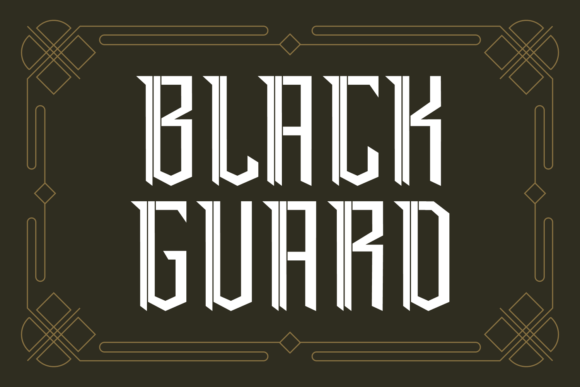
Black Guard speaks in contrasts. Its tall, narrow letterforms create a strong visual presence, especially when used in headlines or logos. The split-line detailing adds an unexpected layer of elegance, softening the aggressive geometry just enough to avoid feeling too harsh or overbearing. Each character is meticulously designed to convey authority—think of the clean, geometric serifs that echo early 20th-century architecture, yet maintain a contemporary rhythm.
This typeface isn't shy about its personality. It's built for impact, but not at the expense of style. The interplay between thick strokes and thin details gives it depth, while the consistent x-height ensures legibility even at smaller sizes. Unlike many gothic fonts that lean purely on historical weight, Black Guard feels alive, as if it were forged in a modern foundry with inspiration from the past.
What Makes It Unique?
- Sharp Angles: Adds a sense of urgency and dynamism to your designs.
- Art Deco Influence: Gives it a timeless, luxurious feel without being outdated.
- Split-Line Details: Introduces a subtle decorative touch that elevates the overall aesthetic.
- Vertical Emphasis: Draws the eye upward, creating a sense of grandeur and scale.
Where Does Black Guard Shine?
Choosing the right font is like choosing the right outfit—it has to match the occasion. Black Guard excels in environments where strength and style are both important. Here’s how different creatives can use it effectively:
Logo Design and Branding
Logos often serve as the visual anchor of a brand. For brands aiming to project power, heritage, or innovation, Black Guard can be a game-changer. Its commanding presence works particularly well for luxury goods, gaming studios, or fantasy-themed ventures. Just look at how it could transform a simple name into a symbol of boldness and craftsmanship.
Editorial and Packaging Design
In editorial contexts, Black Guard can elevate titles and pull quotes by introducing a dramatic flair. On packaging, it becomes a storytelling device—especially for products rooted in tradition or those targeting a mature, discerning audience. The key is using it sparingly; too much can overwhelm, but a well-placed headline or label can make all the difference.
Web and Social Media Graphics
Though primarily a display font, Black Guard can work wonders in digital spaces when optimized correctly. Use it for hero text, call-to-action buttons, or title headers to create focal points that don’t lose their punch on screens. In social media graphics, it helps establish a cohesive brand voice across platforms, ensuring your message stands out in a crowded feed.
Creative Projects and Personal Use
From personal branding to event invitations, this font brings a level of gravitas that few others achieve. If you're launching a YouTube channel focused on history, gaming, or fashion, consider Black Guard for your title card. It also shines in book covers, especially for genres like fantasy, noir, or historical fiction, where typography plays a crucial role in setting the tone.
Designing with Black Guard: Tips and Best Practices
While Black Guard is undeniably striking, its effectiveness depends on thoughtful implementation. Here’s how to get the most out of it in your projects:
Font Pairing Strategies
Pairing Black Guard with complementary typefaces is essential to maintain readability and balance. Because of its bold, structured nature, it pairs best with more neutral or minimalist sans serif fonts for body text. Think Helvetica Neue, Futura, or Open Sans. These combinations keep the focus on the headline while ensuring the supporting content remains easy to read.
For a bolder statement, try pairing it with another premium font that shares its architectural roots but offers contrast in weight or texture. Avoid using it with other heavy gothic or script fonts unless you're going for a maximalist look—this can quickly become cluttered.
Readability and Hierarchy
Despite its ornate features, Black Guard maintains a surprising level of clarity. The consistent stroke weights and open apertures (like the “e” and “a”) help prevent letters from appearing too dense. That said, it's not ideal for long paragraphs or fine print. Save it for headlines, subheadings, and short bursts of text where it can take center stage.
Use it to guide the viewer’s eye through your design. Because of its height and narrow proportions, it naturally leads the gaze upward, which is great for posters or website headers. But remember to give it breathing room—don’t let it crowd other elements. Let it speak loudly, then step back.
Brand Perception and Recognition
Typefaces shape how people perceive your brand. Black Guard communicates confidence, creativity, and a touch of rebellion. It’s perfect for brands that want to stand apart without shouting. The split-line detailing and Art Deco influences subtly suggest quality and sophistication, aligning well with industries like fashion, entertainment, and artisanal crafts.
Consistency is key. Once you’ve selected Black Guard for a brand element, ensure it’s used uniformly across all materials—whether it's a business card, website banner, or product label. This builds recognition and reinforces your brand identity over time.
Evaluating Project Fit
Before committing to Black Guard, ask yourself a few questions:
- Is the message I’m conveying one of strength or elegance?
- Does the context allow for a bold, attention-grabbing typeface?
- Will the font pair well with other design assets in my project?
Commercial Licensing and Practical Considerations
As a commercial font, Black Guard comes with licensing terms that vary depending on usage. Always verify whether your license allows for web embedding, app integration, or mass printing before finalizing a project. Many designers overlook this step and end up scrambling to secure proper permissions later on.
Licensing is usually straightforward for small businesses or independent creators, but larger enterprises may need extended licenses. Review the included styles carefully—some versions may come with additional weights or alternate characters that enhance its versatility.
Testing Across Platforms
Because it’s a display font, always test Black Guard in the actual environment where it will appear. Will it render clearly on mobile devices? How does it look when scaled down for a tagline? These practical considerations ensure that your design doesn’t suffer due to technical limitations.
Getting the Most from Your Design Assets
If you're working with a design team or agency, communicate the intended use clearly. Share examples of how Black Guard looks in different settings to set expectations. You might also consider downloading any available companion assets, such as swashes or alternate glyphs, to expand your creative toolkit without compromising the font’s integrity.
Final Thoughts
Black Guard isn’t just a font—it's a visual statement. When used thoughtfully, it can elevate your brand identity, add drama to your editorial layouts, or bring a cinematic feel to your digital projects. Its blend of modern typography and classic structure makes it a standout among creative fonts, especially for those who want to inject a bit of edge into their work.
Remember, the goal is to let the font support your message, not overshadow it. With the right approach, Black Guard can become a signature element of your design language—one that viewers recognize and respect.