Critica: The Dark and Intense Font for Bold Visual Statements
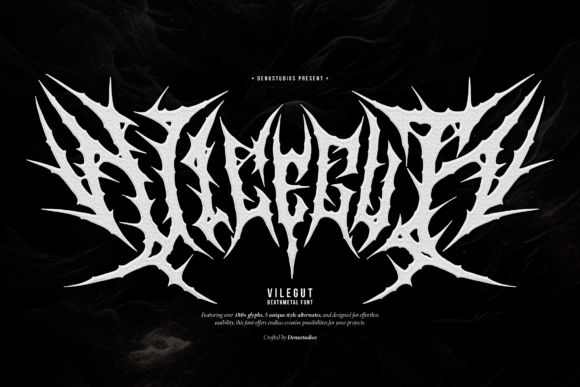
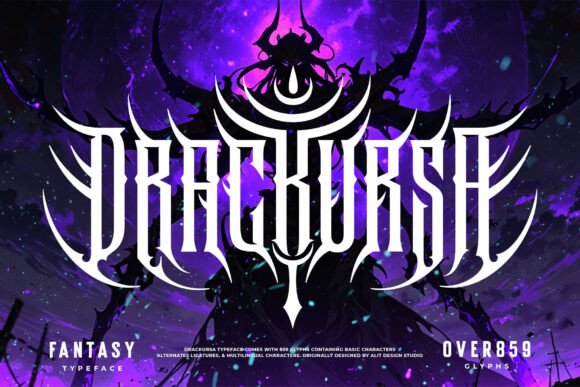
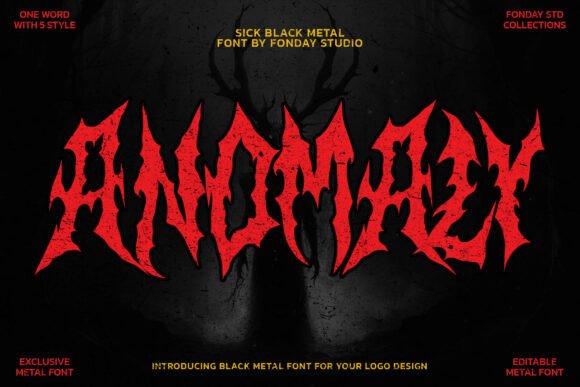
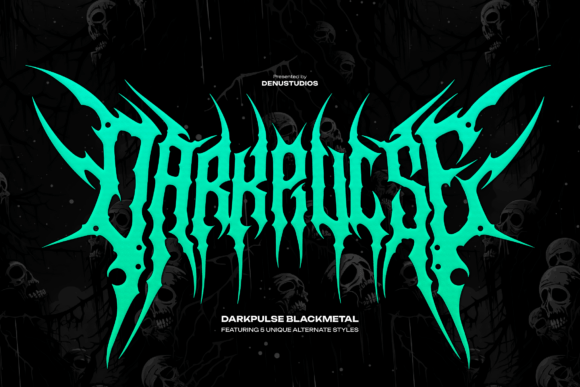
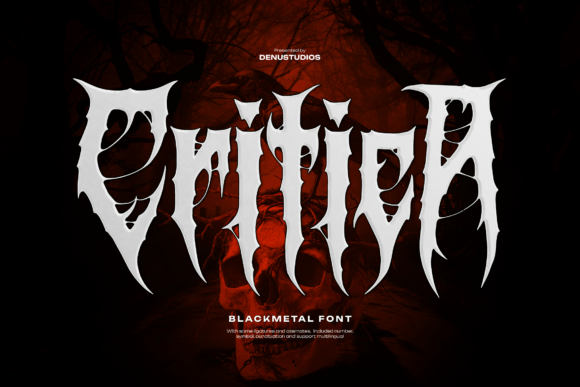
Critica is a menacing black metal display font that captures the essence of darkness, rebellion, and raw intensity. Designed with sharp, jagged edges and haunting stylistic elements, it's more than just a typeface—it’s an expression. Whether you're crafting album covers, horror-themed art, or dark merchandise, Critica delivers a powerful visual punch that commands attention.
What Makes Critica Unique?
Unlike traditional fonts that prioritize readability above all else, Critica embraces chaos and emotion. Its bold, aggressive letterforms are ideal for high-impact designs where subtlety isn't the goal. Each character is crafted to evoke a sense of unease and strength, making it perfect for themes centered around gothic aesthetics, underground culture, and horror imagery.
This font is not meant for body text but shines in headlines, logos, banners, and other design elements where presence and mood matter most. It brings a visceral energy to any project, turning simple words into striking visual statements.
Why Different Audiences Care About Critica
Depending on your background and goals, Critica may hold different value. For some, it’s a tool to elevate their creative work; for others, it’s a means to connect with niche audiences. Let’s explore how various groups might approach this font:
Beginners: A Bold First Impression
If you’re new to typography and graphic design, Critica can serve as a great starting point when you want to create something dramatic or edgy. It helps beginners stand out without needing advanced design skills—just drop it into a headline and watch the effect it makes.
Example: A beginner YouTuber creating content about horror movies could use Critica in their thumbnails to instantly grab viewers’ attention with a darker, more intense look.
Professionals and Creators: Crafting the Right Atmosphere
For professionals in music production, branding, or digital art, Critica offers a way to build atmosphere. Black metal bands often rely on strong visual identities, and using this font on album artwork or promotional materials reinforces their aesthetic. Similarly, game developers working on horror titles might incorporate Critica into menus or title screens to enhance immersion.
Example: A professional graphic designer working on a limited-edition vinyl release for a black metal band would choose Critica to align with the genre’s visual language and communicate authenticity.
Entrepreneurs and Business Owners: Tapping Into Niche Markets
Entrepreneurs selling products in niche markets—like horror-themed apparel or occult-inspired accessories—can leverage Critica to create eye-catching packaging and branding. In these industries, typography plays a key role in setting the tone and building brand identity.
Example: A small business owner launching a line of “dark academia” journals might use Critica in product titles and taglines to emphasize the mysterious and intellectual vibe they’re aiming for.
Marketers and Bloggers: Creating Memorable Headlines
In content marketing, especially within subcultures like gaming, metal music, or fantasy literature, visuals need to resonate quickly. Critica allows marketers and bloggers to craft headlines that cut through the noise and speak directly to their audience’s sensibilities.
Example: A blogger writing about extreme sports could use Critica in a feature titled “Ride Into the Abyss,” pairing the font with gritty imagery to set the right tone from the start.
Educators and Hobbyists: Learning Through Experimentation
Typography is both an art and a science, and educators often use unique fonts like Critica to teach students about contrast, style, and emotional impact in design. Hobbyists experimenting with personal projects such as zines, posters, or fan art also find it invaluable for expressing mood and personality.
Example: An educator teaching a course on alternative typography might use Critica as a case study in how form follows function—and how sometimes, form is all that matters.
Priorities and Use Cases
When evaluating whether Critica fits your needs, consider what you value most in a font. Here’s a quick breakdown of how different priorities influence its suitability:
- Emotional Impact: Critica excels in conveying aggression, fear, and intensity—perfect for horror or heavy metal projects.
- Readability: This font is not designed for long paragraphs or dense text. It’s best used in short bursts for maximum effect.
- Flexibility: While Critica has a fixed style, it can be layered with textures or effects to adapt to different contexts, from digital to print media.
- Commercial Value: Many creators sell designs online, and using a font like Critica can help them tap into specific markets willing to pay for authentic, edgy content.
- Learning Value: For those learning about typography, Critica provides a real-world example of how design choices shape perception.
- Long-Term Usefulness: If your work is in a niche space like horror, black metal, or dark fashion, Critica will remain relevant and impactful over time.
How to Evaluate if Critica Fits Your Project
To determine if Critica is the right choice for your next design, ask yourself the following questions:
- Is my project focused on a dark, intense, or rebellious theme?
- Do I need a font that stands out rather than blends in?
- Will the text be viewed at a glance or in a large format (e.g., album cover, banner)?
- Am I targeting an audience that appreciates edgy, alternative aesthetics?
- Can I pair it with supporting graphics or colors that complement its harsh appearance?
If you answered yes to most of these, Critica could be a perfect fit. It’s a font that doesn’t just look good—it tells a story before a single word is even read.
Practical Applications Across Industries
While Critica is rooted in black metal and horror, its versatility extends across several fields:
- Musical Artists: Ideal for album titles, band names, and tour posters. It gives off the same energy as the music it represents.
- Film and Game Designers: Great for title cards, menu interfaces, or promotional art in genres like horror, dystopian fiction, or fantasy.
- Merchandise Sellers: Can be used on t-shirts, patches, or vinyl records to reinforce the dark, underground vibe of the product.
- Book Publishers: Especially useful for book covers in genres like horror, thriller, or supernatural fiction.
- Branding Agencies: Useful for clients who want to create a bold, unconventional brand image.
Design Tips for Using Critica Effectively
Because of its strong visual presence, Critica should be used with care to avoid overwhelming the viewer. Here are a few tips to maximize its potential:
- Use it Sparingly: Apply Critica to key phrases or titles, and keep the rest of your design clean and balanced.
- Pair with Contrast: Combine it with lighter, simpler fonts or stark color contrasts to highlight its boldness.
- Layer with Texture: Add grunge, blood splatter, or metallic effects to amplify its menacing feel.
- Test in Real Context: See how it looks on mockups or prototypes before finalizing your design. Sometimes, even the boldest fonts can clash depending on layout and spacing.
Final Thoughts on Critica
Critica is more than a font—it’s a statement. For those who understand its purpose and limitations, it becomes a powerful asset in visual storytelling. Whether you're designing for a crowd that craves the macabre or simply looking to add a touch of edge to your project, Critica delivers with precision and flair.
Ultimately, the right font depends on your message and your audience. If you're aiming for something that feels alive with attitude and raw energy, then Critica is worth considering. Just remember, it’s not always the loudest voice that wins—but the one that speaks the truth in the darkest tones.