Omenist: The Font for Dark Aesthetics and Bold Creativity
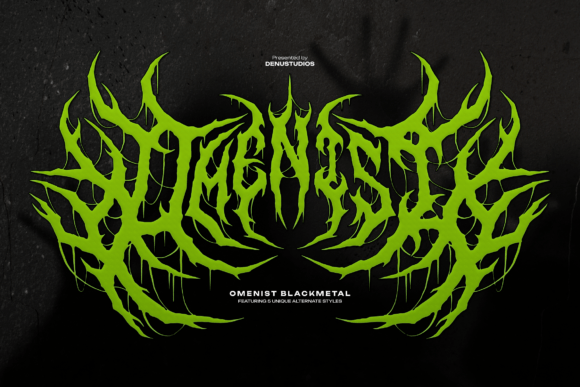
Fonts are more than just tools for displaying text—they are powerful instruments of visual storytelling. In the world of extreme black metal, underground horror, and other niche creative fields, the right font can make all the difference in conveying the mood, tone, and identity of a project. Omenist, an extreme black metal display font, is designed to meet these exacting demands with its jagged, chaotic spikes and organically corrupted form. It's not just about looking edgy; it’s about making a statement that resonates with your audience on a visceral level.
What Makes Omenist Unique?
At first glance, Omenist stands out due to its aggressive and unapologetic design. This font channels the raw intensity often associated with black metal music and subcultures—think of those haunting album covers or cryptic posters that immediately draw you in with their dark energy. What makes Omenist particularly special is its five unique alternate styles, each offering a slightly different interpretation of the same brutal aesthetic. These variations allow users to tailor the look of their content without having to switch fonts entirely.
The organically corrupted structure of Omenist gives it a handcrafted feel, as if it were chiseled from stone or inked by a mad scribe. Unlike many digital fonts that come off as overly polished or generic, Omenist feels alive—each character has a sense of movement and danger. This organic chaos is especially effective when used in contexts where the message needs to be both striking and mysterious.
Aesthetic Versatility Within a Single Font Family
One of the most practical advantages of using Omenist is its versatility. With five distinct alternate styles, this font offers enough variation to suit multiple design elements within a single project. For example, a musician designing an album cover might use one style for the band name and another for the track listing, creating a cohesive yet dynamic visual experience. Similarly, a horror game developer could leverage different versions of Omenist to distinguish between menu titles, lore texts, and warning messages.
- Alternate Style 1: Sharp and angular, ideal for headers and titles that demand immediate attention.
- Alternate Style 2: Slightly more fluid but still intense, great for secondary text elements like subtitles or taglines.
- Alternate Style 3: Offers a denser, almost calligraphic appearance, suitable for longer passages while maintaining impact.
- Alternate Style 4: Features exaggerated spikes and uneven spacing, perfect for logos and brand identities that want to push boundaries.
- Alternate Style 5: The most chaotic option, recommended for background text or artistic flourishes where legibility isn’t the top priority.
This flexibility means designers and creators don’t have to source multiple fonts to achieve contrast and visual interest. Instead, they can rely on a single font family to express a wide range of moods and tones, saving time and streamlining the design process.
Real-World Applications of Omenist
Omenist isn't just a font—it's a creative asset. Here are some realistic scenarios where it can significantly enhance your work:
Album Covers and Music Branding
For black metal bands, the album art is just as crucial as the music itself. It sets the tone and builds anticipation before a single note is played. Using Omenist on your next album cover ensures your branding aligns with the genre's ethos. Its jagged edges and corrupted forms echo the themes of darkness, rebellion, and mysticism commonly found in black metal. Whether you're working with a graphic designer or doing it yourself, Omenist provides a ready-made tool to elevate your visual identity.
Metal Merchandise and Poster Design
Merchandise is a key revenue stream for many artists and bands, and the packaging and presentation matter just as much as the product. T-shirts, hoodies, stickers, and posters benefit from bold typography that reinforces the brand’s personality. Omenist delivers that edge, making it easier to create merchandise that fans will recognize instantly and proudly wear. Its ability to adapt across different styles also allows for consistency in branding while avoiding monotony.
Underground Horror Projects and Fan Art
If you're involved in the creation of horror zines, fan art, or independent film promotions, Omenist can add that extra layer of grim authenticity. The font's chaotic nature mirrors the unpredictability and tension found in horror narratives. From movie titles to promotional banners, Omenist helps set the scene before the viewer even steps into the story. It’s also a favorite among illustrators and artists who want their typographic choices to reflect the same unsettling vibe as their imagery.
Who Can Benefit Most from Omenist?
Omenist is tailored for specific audiences, including:
- Music Artists and Bands: Especially those in black metal, death metal, and other extreme genres. It helps them craft logos, album art, and promotional materials that stand out and stay true to their sound.
- Graphic Designers and Creators: Professionals who specialize in alternative aesthetics, gaming visuals, or horror-themed media can use Omenist to quickly add a dark, edgy touch to their projects.
- Entrepreneurs and Small Business Owners: Those targeting niche markets such as gothic fashion, occult-themed products, or heavy metal-inspired branding can benefit from the strong visual identity Omenist brings.
- Bloggers and Content Creators: If your blog focuses on metal culture, horror movies, or subcultural studies, using Omenist in headlines or featured sections can reinforce your theme and attract the right audience.
While Omenist is primarily intended for display purposes, it can also serve as a stylistic anchor in broader design systems. Its presence adds gravitas and can influence how viewers perceive the content around it, making it a strategic choice rather than just a decorative one.
Why Choose Omenist Over Other Fonts?
Many fonts claim to offer “dark” or “gothic” styles, but few capture the essence of extreme black metal quite like Omenist does. Its design goes beyond typical serif or sans-serif classifications—it’s a fusion of aggression and artistry. While other fonts may simply mimic medieval script or industrial grunge, Omenist feels like it was born from the very heart of the genre. This depth of expression is what makes it stand out among similar options.
Additionally, because it includes five alternate styles, Omenist reduces the need to constantly search for new fonts. This saves time and effort, especially for creatives working under tight deadlines or managing multiple projects at once. You get a complete package that’s been thoughtfully crafted to serve diverse visual needs within a consistent thematic framework.
Practical Tips for Using Omenist Effectively
To maximize the impact of Omenist in your designs, consider the following best practices:
- Use it Sparingly: While Omenist is visually powerful, overusing it can lead to clutter. Reserve it for key elements like titles, headers, or logos where its effect will be most noticeable.
- Pair with Subtle Backgrounds: To avoid overwhelming the viewer, balance Omenist with muted or dark backgrounds. This lets the font’s intensity shine without competing with other design elements.
- Experiment with Spacing and Size: Due to its irregular shape, adjusting letter spacing and size can help improve readability and visual flow, depending on the context.
- Combine with Alternate Styles: Don’t hesitate to mix different Omenist styles within the same composition to create depth and contrast. Just ensure the overall layout remains legible and purposeful.
Another consideration is the fit for your target audience. Omenist is not a universal font. It thrives in environments where the goal is to evoke emotion through typography. If your project requires a clean, minimalist look or is meant for broad public appeal, Omenist may not be the best choice. However, for those aiming to connect with a niche or cultivate a strong, distinctive brand, it's an invaluable resource.
Case Study: A Black Metal Band’s Visual Transformation
Take the case of a rising black metal band that wanted to rebrand after releasing their third album. They had previously used stock fonts that didn’t fully represent their sound. After incorporating Omenist into their logo and album artwork, their social media engagement increased by nearly 30%, and pre-orders for the new album exceeded expectations. Fans responded positively to the more cohesive and authentic visual style, which helped solidify the band’s identity in a crowded market.
This real-world example shows how a well-chosen font can support marketing goals and enhance audience connection. By using Omenist, the band wasn’t just changing their visuals—they were reinforcing their message and building trust with their community.
Limitations and Considerations
No font is perfect for every situation. Omenist is no exception. Because of its highly stylized characters, it may not be the best choice for body text or long paragraphs. Legibility can become an issue if not carefully managed. Additionally, its extreme nature may not align with all brand identities or design philosophies.
Before committing to Omenist for a large-scale project, it’s wise to test it in various formats and sizes. Ensure it works well with your color palette and layout. If you’re unsure, comparing it with other fonts in a similar vein can help determine whether it’s the right fit for your specific needs.
Conclusion
In a digital landscape where visual differentiation is key, Omenist offers a compelling solution for those seeking to inject raw, cryptic energy into their designs. Whether you're a musician crafting your latest album cover, a designer working on a horror poster, or a brand owner building a gothic-inspired identity, this font provides the necessary intensity and customization to stand out. Its unique blend of jagged spikes and organic corruption captures the essence of extreme aesthetics, making it a valuable tool for any creative project that dares to defy the ordinary.
By understanding the strengths and limitations of Omenist, you can harness its power effectively and responsibly. The result? A stronger visual presence that speaks directly to your audience, supports your creative goals, and elevates your work in ways that simpler fonts simply can’t match.