Dusty Saloon: A Bold Western Font for Authentic Branding and Strategic Design
Typography plays a crucial role in shaping how audiences perceive your brand, message, or product. The right font can evoke emotion, establish credibility, and enhance the overall user experience. Dusty Saloon, an old-fashioned Western typeface, is more than just a stylistic choice—it’s a strategic design tool that can help you connect with specific audiences and communicate authenticity with visual flair.
The Essence of Dusty Saloon
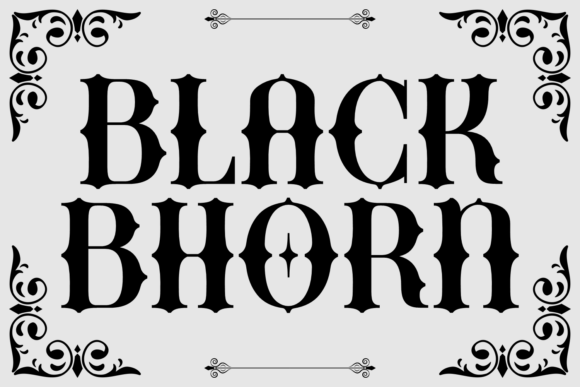
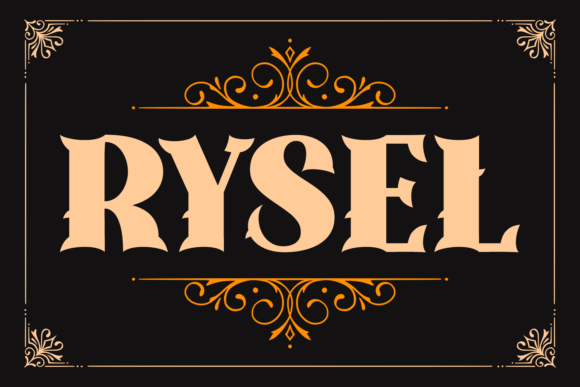
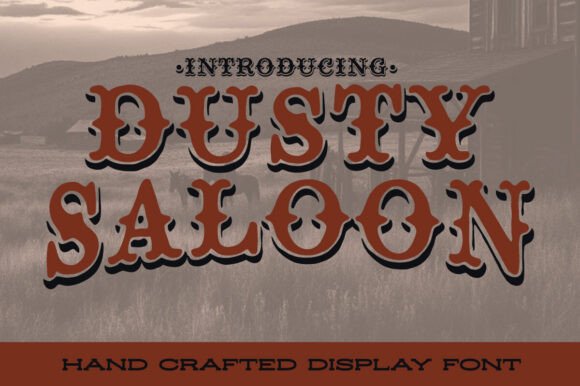
Dusty Saloon captures the rugged charm and timeless appeal of the American frontier. With its strong, vintage letterforms and built-in drop shadow effect, it brings to mind the weathered wooden signs hanging above dusty saloons, the ink-stained wanted posters pinned on town bulletin boards, and the handcrafted labels of artisanal whiskey bottles. This font isn’t just about aesthetics; it carries a narrative. It tells a story of grit, independence, and tradition—qualities many modern brands strive to embody.
Why It Matters in Modern Design
In today’s fast-paced digital world, standing out requires more than just good content. Visual elements like typography must work in harmony with your messaging. Dusty Saloon offers a unique way to differentiate your brand by tapping into a rich cultural aesthetic that resonates with nostalgia and character. For businesses and creators targeting niche markets such as western-themed apparel, craft spirits, adventure tourism, or heritage products, this font can serve as a powerful identity anchor.
Strategic Use Cases for Dusty Saloon
When used thoughtfully, Dusty Saloon can support multiple strategic goals:
- Brand Positioning: Align your brand with themes of rugged individualism, craftsmanship, or Americana. Whether you’re launching a new line of cowboy boots or a boutique whiskey distillery, the font helps reinforce your positioning.
- Customer Experience: Create immersive environments for customers through signage, packaging, or web design. A well-placed use of Dusty Saloon can transport users into a different era, making them feel part of a story rather than just viewing a product.
- Marketing Materials: Use it in promotional items like posters, brochures, or social media graphics to evoke a sense of adventure and authenticity. This can be especially effective during campaigns around holidays or events tied to Western culture.
- Creative Projects: Freelancers and creators working on book covers, logos, or editorial designs can leverage Dusty Saloon to add a layer of historical depth and visual interest.
Practical Examples
Imagine a small business owner launching a new line of handmade leather goods. They want their branding to reflect quality, heritage, and a connection to the Old West. By using Dusty Saloon in their logo and packaging, they immediately signal a commitment to these values without needing lengthy explanations. The same applies to a blogger writing about travel in the Southwest. Incorporating Dusty Saloon in headers or featured images adds context and enhances the storytelling aspect of their content.
Planning Your Use of Dusty Saloon
Before integrating Dusty Saloon into your projects, consider how it aligns with your broader communication strategy. Ask yourself:
- Does the font match the tone and personality of my brand?
- Will it resonate with my target audience or might it alienate them?
- How will it perform across different mediums (print, web, mobile)?
For example, while Dusty Saloon may thrive on a rustic website header or a printed menu at a themed restaurant, it could be less effective in body text where readability is key. Always pair it with complementary fonts for balance and ensure it doesn’t overshadow important information due to its bold nature.
Design Considerations and Best Practices
Here are some tips to maximize the effectiveness of Dusty Saloon:
- Use Sparingly: Because of its distinctive look, overusing the font can lead to visual fatigue. Reserve it for headlines, titles, or accents where impact matters most.
- Pair with Subtle Fonts: Combine Dusty Saloon with a clean sans-serif or serif font in smaller sizes for supporting text. This maintains legibility while still capturing attention.
- Test for Readability: Especially in digital formats, test how the font appears on various screen sizes. Its vintage style may not always translate well at smaller scales.
- Maintain Consistency: If you choose to use Dusty Saloon as part of your brand identity, apply it consistently across all touchpoints to build recognition and trust.
Risks of Using Dusty Saloon Without Strategy
While Dusty Saloon has undeniable charm, it’s not a one-size-fits-all solution. Misuse can lead to several issues:
- Alienation: Audiences who don’t connect with the Western theme may find the font off-putting or irrelevant. This can dilute your message and reduce engagement.
- Overuse: Applying the font too broadly can make your design feel cluttered and unprofessional. Remember, bold choices need to be balanced with subtlety.
- Accessibility Concerns: The font's texture and drop shadow may pose challenges for users with visual impairments. Ensure your design remains accessible by providing sufficient contrast and alternative text when necessary.
When to Avoid It
There are situations where Dusty Saloon may not be the best fit. These include:
- Formal corporate communications or technical documents where clarity is paramount.
- Projects targeting international or diverse demographics without a clear thematic justification.
- Any situation where the font might distract from the core message or create confusion.
Intentional Integration: Making It Work for You
To use Dusty Saloon effectively, start with a clear purpose. Is it for storytelling? Brand differentiation? Cultural resonance? Once you define that, you can decide where and how to deploy it.
Consider the following steps:
- Define Your Theme: Identify the aspects of the Western aesthetic that align with your brand or project. Is it the grit of the frontier, the romance of the rodeo, or something else?
- Select Key Touchpoints: Choose the most impactful areas—like headlines, logos, or call-to-action buttons—where the font will draw attention and reinforce your message.
- Balance with Simplicity: Let the font shine by keeping surrounding elements simple and cohesive. Too much visual noise can undermine its intended effect.
- Get Feedback: Show your designs to trusted colleagues or target users before finalizing. Their insights can help you avoid unintended associations or usability issues.
Long-Term Value and Brand Cohesion
Typography is often overlooked in long-term brand planning, but it plays a vital role in consistency and memorability. When Dusty Saloon is used intentionally, it becomes part of your brand’s visual language. Over time, your audience begins to associate the font with your values, creating a stronger emotional connection.
For educators and publishers developing materials related to history, literature, or regional studies, Dusty Saloon can serve as a contextual tool that enhances learning outcomes. Similarly, entrepreneurs in creative industries can leverage it to build a distinct visual identity that stands apart in crowded markets.
Realistic Outcomes and Measurable Impact
Using Dusty Saloon strategically can yield tangible benefits:
- Increased Engagement: Vintage fonts have been shown to capture attention and foster curiosity. In marketing, this can lead to higher click-through rates and longer dwell times.
- Enhanced Storytelling: The font’s character-rich design supports narrative-driven branding, which is increasingly valued by consumers seeking authentic experiences.
- Memorable Impressions: Unique typographic choices help brands stand out in the minds of their audience, contributing to better recall and loyalty.
However, these outcomes depend on thoughtful implementation. A haphazard approach may result in poor readability, inconsistent branding, or even miscommunication of your intended message.
Case Study: A Craft Whiskey Brand’s Makeover
A craft whiskey company rebranded using Dusty Saloon for its label design. The font helped position the brand as a throwback to traditional distilling methods, attracting a loyal customer base interested in heritage and authenticity. Sales increased by 25% within six months, and customer feedback highlighted the label’s “rugged yet refined” appearance as a key factor in their decision to try the product.
Conclusion
Dusty Saloon is more than a decorative typeface—it’s a strategic element that can elevate your design when used with intention. Whether you're building a brand, crafting a compelling ad campaign, or enhancing a creative project, this font offers a bridge to the past that resonates with modern audiences. But remember, its power lies in purposeful application. Align it with your goals, understand your audience, and integrate it with care to achieve the best results.