Gewas Font: A Bold and Authentic Display Choice
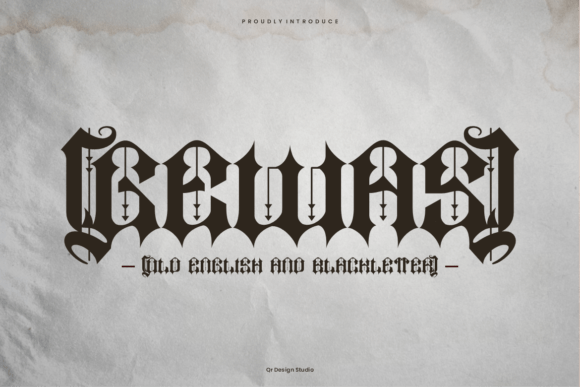
Gewas is a display font known for its bold and authentic character. Designed to stand out, it offers a strong visual presence that makes it ideal for branding projects such as logos, sports designs, and other high-impact applications. Available in both .OTF and .TTF formats, Gewas provides flexibility for use across different platforms and software. As with any font, understanding its characteristics, strengths, and limitations can help you determine whether it's the right choice for your project.
What Is Gewas?
Gewas is a typeface that blends modern aesthetics with a sense of raw energy. It belongs to the category of display fonts, which are typically used for headlines, titles, or short texts where visual impact is more important than readability at smaller sizes. The font features thick strokes, sharp angles, and a slightly rugged texture that gives it an edgy yet professional look. These attributes make it well-suited for environments where attention-grabbing design is key.
Key Characteristics of Gewas
- Bold Weight: Gewas uses a heavy stroke weight, making it ideal for large-scale printing or digital displays.
- Authentic Texture: Its unique texture adds depth and character, often evoking themes like strength, innovation, or urban style.
- Display Focus: While visually striking, it is not recommended for body text due to potential legibility issues at smaller sizes.
- Format Availability: Comes in OpenType (.OTF) and TrueType (.TTF) formats, ensuring compatibility with most design tools.
Why People Choose Gewas
Designers and brand developers often select Gewas for its ability to create memorable visuals. Here are some common reasons individuals might consider using this font:
- Strong Brand Identity: Gewas helps establish a powerful brand presence with its distinctive style. It’s frequently used in logo design to convey confidence and uniqueness.
- Eye-Catching Headlines: In marketing materials, posters, or social media content, Gewas can draw attention quickly and effectively.
- Thematic Flexibility: Whether the design leans towards modern minimalism or gritty realism, Gewas adapts well to various moods and contexts.
- Compatibility: With support for .OTF and .TTF formats, it works seamlessly in Adobe Creative Suite, Microsoft Office, and web development frameworks.
Benefits and Tradeoffs
Like all design choices, Gewas has its advantages and drawbacks. Understanding these can guide your decision-making process when selecting a font for a specific purpose.
Benefits
- High Impact: Its boldness ensures visibility even from a distance, which is especially useful for signage and promotional banners.
- Versatile Styling: The font supports ligatures and stylistic alternates, giving designers more creative control over their layouts.
- Cross-Platform Use: Available in two standard formats means it can be integrated into print and digital workflows without compatibility concerns.
- Modern Appeal: The font resonates with contemporary audiences, fitting well within current design trends that emphasize personality and visual hierarchy.
Potential Limitations
- Legibility at Small Sizes: Due to its bold and textured nature, Gewas may become difficult to read when used in smaller point sizes.
- Not Ideal for Long Text: Using Gewas for paragraphs or extended blocks of text can reduce clarity and increase cognitive load for readers.
- May Not Suit All Industries: While great for sports, entertainment, and fashion brands, it may feel too aggressive or informal for corporate or academic settings.
When to Use Gewas
Gewas excels in scenarios where visual impact is essential. Consider it for the following situations:
- Logo Design: When creating a brand identity, Gewas can help craft a bold, unforgettable logo.
- Sports Branding: Its energetic appearance aligns well with athletic or sports-related themes.
- Event Promotion: For concert flyers, festival posters, or product launch announcements, Gewas can add excitement and urgency.
- Digital Banners: On websites or mobile apps, the font can highlight key messages without overwhelming the layout.
- Print Media: Gewas works particularly well in large-format prints such as billboards, T-shirt graphics, and packaging labels.
Considerations for Web Use
If you plan to use Gewas on a website, keep in mind that web typography has different requirements. While it looks impressive in print or static images, its performance online depends on how it's implemented. Ensure the font is optimized for web delivery, and always pair it with a more readable sans-serif or serif font for body text. You might also want to test how it appears across devices and screen resolutions before finalizing your design.
When to Consider Alternatives
Although Gewas is a compelling option for many display purposes, there are instances where other fonts might be more appropriate:
- Formal or Corporate Contexts: If your brand or project requires a more polished or traditional aesthetic, a clean sans-serif like Helvetica or a classic serif like Garamond could be better suited.
- Accessibility Needs: For projects targeting users with visual impairments or requiring maximum readability, opt for simpler, highly legible fonts.
- Multi-Language Support: Check if Gewas includes the necessary glyphs for your target language. Some display fonts lack comprehensive international character sets.
- Minimalist Designs: If your layout emphasizes simplicity and subtlety, Gewas’s bold style may clash with the intended tone.
Practical Insights for Choosing Gewas
Choosing the right font involves balancing creativity with functionality. Here are some practical tips to help you decide if Gewas is the best fit for your needs:
- Test It in Real Context: Apply Gewas to sample mockups or prototypes to see how it interacts with colors, spacing, and imagery.
- Pair Thoughtfully: Complement Gewas with a secondary font that enhances contrast and maintains readability. This pairing strengthens the overall typographic harmony.
- Review Licensing: Before committing, confirm the font license covers your intended use (e.g., commercial, web, app integration). Some fonts have restrictions based on usage scope.
- Check Compatibility: Make sure Gewas functions correctly in the software or platform you're using. Try embedding it in your preferred design tool to avoid technical hiccups later.
- Evaluate Trends: Consider how long Gewas will remain relevant to your audience. While bold fonts can be timeless, they may also reflect current design trends that evolve over time.
Final Thoughts
Gewas is a bold, expressive font that stands out in display applications. Its authenticity and versatility make it a popular choice among designers looking to infuse their work with character. However, it's important to weigh its benefits against its limitations, especially regarding readability and appropriateness for the context. By understanding when and how to use Gewas effectively, you can leverage its strengths while avoiding potential missteps. Always choose a font that aligns with your message, audience, and medium—Gewas may be just the right match for your next branding or design project, but only if it serves your goals clearly and consistently.