Shadow Murder: A Visually Intense Typeface for Extreme Design Needs
Fonts play a crucial role in shaping the tone and impact of any design. Whether you're crafting a poster, an album cover, or a zine layout, the right typeface can amplify your message and evoke powerful emotions. For designers who want to push boundaries and create something raw, chaotic, and unapologetically intense, Shadow Murder is a compelling choice. This typeface isn’t just about aesthetics — it’s about making a statement with every character.
What Is Shadow Murder?
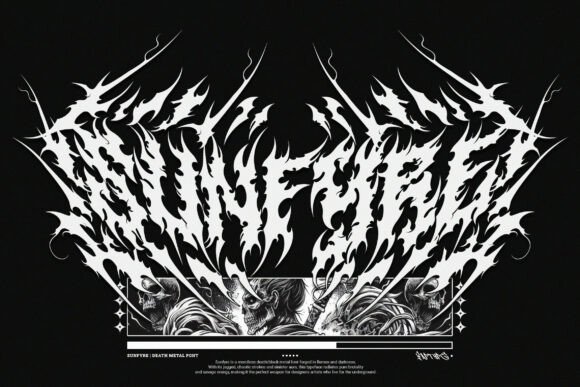
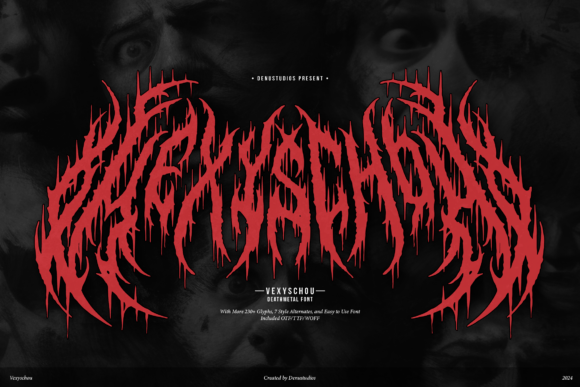
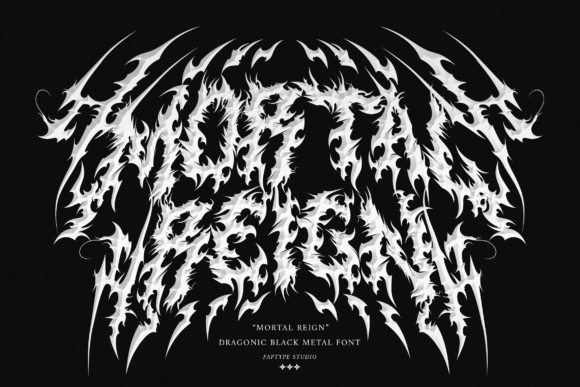
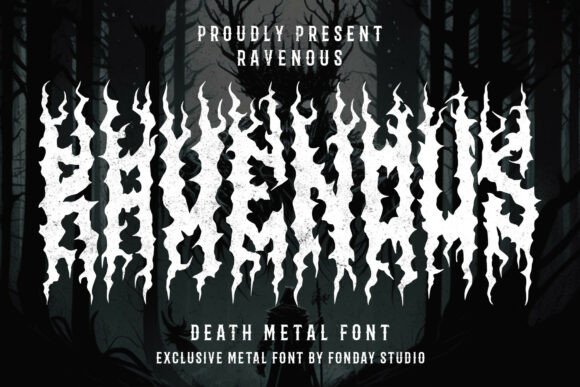
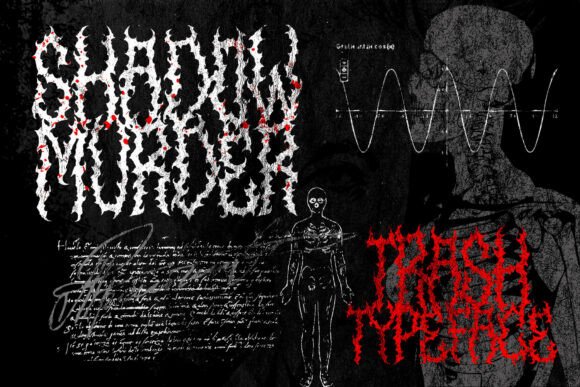
Shadow Murder is a trash typeface that stands out for its violently expressive style. It combines jagged edges, bleeding strokes, and a chaotic structure to deliver a font that feels like it was ripped from the darkest corners of creative rebellion. The letterforms are intentionally rough and unrefined, designed to convey aggression, distortion, and noise. Each character seems smeared with red ink, as if torn from the walls of a decaying asylum — a visual metaphor for intensity and emotion.
This typeface is not for those seeking elegance or readability at all costs. Instead, it thrives in environments where boldness and raw energy are key. It's ideal for niche markets such as underground metal bands, horror-themed publications, experimental music visuals, and DIY art projects that reject mainstream sensibilities.
Key Features That Set Shadow Murder Apart
- Jagged, Bleeding Edges: Every stroke and curve in Shadow Murder has a deliberately rough texture. These features make the font feel alive with tension and unease.
- Chaotic Letterforms: The characters break traditional typographic rules, creating a sense of disarray and unpredictability that mirrors the themes of rebellion and darkness.
- High Visual Contrast: The interplay between heavy black areas and fragmented white spaces enhances the dramatic effect of the text.
- Red Ink Effect: Designed to look like it's been stained or splattered with blood, this gives the font a visceral quality suitable for extreme content.
- Noise and Distortion: The inclusion of digital noise and subtle warping effects adds a layer of grit and authenticity to each character.
Best Suited for What Kinds of Projects?
Underground Metal Bands: Shadow Murder’s aggressive and distorted appearance aligns perfectly with the aesthetic of underground metal music. Its use on band logos, tour posters, and album covers can enhance the mood and attract fans who appreciate raw, uncompromising visuals.
Horror Zines and Publications: If you're designing for a horror zine or dark fiction anthology, this font brings a level of intensity that complements the genre’s themes of fear, dread, and the macabre.
Experimental Album Covers: Artists exploring avant-garde or industrial soundscapes often need typography that reflects their sonic chaos. Shadow Murder fits this requirement with its unpredictable forms and high-contrast look.
DIY Rebellion Art: From anti-establishment flyers to punk-inspired manifestos, this font embodies the spirit of counterculture. Its unpolished nature makes it ideal for grassroots movements and independent creators.
Strengths of Shadow Murder
The primary strength of Shadow Murder lies in its ability to command attention. Its unique blend of noise, distortion, and violent expression makes it stand out in a sea of more conventional fonts. For designers working in subcultures or niche genres, this font offers a powerful identity tool that resonates with audiences looking for authenticity and edge.
Additionally, Shadow Murder works well when used sparingly. In certain contexts, it can serve as a focal point that adds depth and drama to otherwise minimalist designs. Its strong presence also makes it effective for short phrases or headlines where maximum impact is desired.
Tradeoffs and Limitations
While Shadow Murder excels in creating a visceral visual experience, it comes with several limitations. The most notable is its lack of legibility at smaller sizes. Because of the chaotic structure and jagged elements, reading long blocks of text in this font becomes difficult and potentially off-putting.
Another tradeoff is its suitability for professional or formal contexts. Fonts like Shadow Murder are best reserved for artistic or thematic purposes rather than business reports, academic papers, or user interfaces where clarity is paramount. The font’s intensity may also be overwhelming in some compositions, requiring careful balancing with other design elements.
When to Choose Shadow Murder vs. Other Options
Selecting the right font depends largely on the purpose of your project. Here’s a practical comparison to help determine whether Shadow Murder is the best fit:
For Maximum Impact
If you’re designing a poster for a local metal show or a title card for a horror short film, Shadow Murder could be perfect. It matches the tone of these projects better than many standard grotesques or slab serifs. However, consider alternatives like Beastie or Skullfont if you need a slightly less aggressive but still edgy option.
For Readability
In contrast, if your project requires readability — such as a website’s body text, product packaging, or instructional material — you’ll likely want a different typeface. Clean sans-serif options like Helvetica Neue or Roboto would be far more appropriate. Even within the realm of edgy fonts, there are more readable choices like Industrial Gothic that maintain a similar vibe without sacrificing usability.
For Brand Consistency
Established brands usually rely on consistent, recognizable typography. While Shadow Murder is excellent for one-off projects or limited-use elements, it may not be the best choice for a brand’s core identity unless the brand itself is rooted in rebellion, noise, or extreme culture. In such cases, pairing it with a secondary, more neutral font can help balance the overall visual language.
How to Use Shadow Murder Effectively
To leverage the full potential of Shadow Murder, it’s important to understand how to integrate it into a design without overpowering the rest of the layout. Here are a few tips:
- Use It Sparingly: Apply Shadow Murder to headlines, titles, or short bursts of text. Overusing it can lead to visual fatigue and reduce the effectiveness of your message.
- Pair With Contrasting Fonts: Combine it with a clean, modern sans-serif or a stark monospace font to create balance. This helps guide the viewer’s eye and ensures the composition remains functional while still being dramatic.
- Consider Color and Background: Since the font mimics red ink stains, using it on dark backgrounds can heighten the effect. Alternatively, placing it against bright or contrasting colors can create a striking visual juxtaposition.
- Adjust Opacity and Layer Effects: To soften the harshness of the font or integrate it more seamlessly into a design, try adjusting the opacity or adding subtle drop shadows and overlays.
Alternatives Worth Considering
There are numerous typefaces that offer similar vibes to Shadow Murder but differ in key ways depending on your needs:
- Distorted Typefaces: Fonts like Bloodshed or GoreFont provide similar levels of visual aggression but might have cleaner lines or more structured layouts for controlled chaos.
- Industrial Fonts: These include styles like Neue Haas Grotesk or ITC Avant Garde, which have a strong, mechanical feel but lack the organic decay and noise of Shadow Murder.
- Handwritten or Brutalist Fonts: Options like Brutalism Bold or Slasher Hand offer a raw, human-made aesthetic that can work alongside or instead of Shadow Murder in certain contexts.
Comparing Legibility and Use Cases
Compared to other trash or punk-style fonts, Shadow Murder leans heavily into its chaotic nature. While this makes it more expressive, it also reduces its versatility. Fonts like Riot Font or Chaos Core may offer similar intensity but with slight improvements in readability or adaptability across different platforms and mediums.
For digital applications, especially on screens, ensure that Shadow Murder is used in large enough sizes to remain decipherable. Low-resolution displays may struggle to render its fine details, so testing across devices is recommended before finalizing a design.
Real-World Applications and Examples
Let’s explore a few real-world examples to illustrate where Shadow Murder shines and where it falls short:
- Music Poster Design: A local death metal band uses Shadow Murder for the event title and artist names. The font reinforces the genre’s brutality and creates an immediate emotional response. It’s paired with a black-and-red color scheme and minimal supporting text for maximum focus.
- Album Cover Art: An experimental electronic artist applies Shadow Murder to the track listing of a vinyl sleeve. The contrast between the brutal font and the ambient soundscape invites curiosity and highlights the duality of the project.
- Punk Magazine Layout: A DIY zine uses Shadow Murder for issue titles and section headers. The font adds an air of authenticity and urgency, fitting the publication’s ethos of anti-establishment creativity.
- Web Design (Caution): A small horror blog attempts to use Shadow Murder as the primary navigation font. Despite the thematic alignment, users report difficulty reading the menu items, leading to a redesign with a more accessible alternative.
Final Evaluation and Decision Factors
When evaluating whether Shadow Murder is the right choice for your next project, ask yourself a few key questions:
- Do I need a font that conveys raw emotion and rebellion?
- Is my audience familiar with or drawn to extreme aesthetics like underground metal or horror culture?
- Can I afford to sacrifice legibility for visual impact?
- Will this font enhance the overall message or distract from it?
Answering “yes” to these questions suggests that Shadow Murder is a strong contender. However, if your project requires broader accessibility, cross-platform compatibility, or extended readability, you may need to explore other options that offer a similar vibe with a bit more control over form and function.
Ultimately, Shadow Murder is a font that doesn’t compromise. It demands attention, evokes emotion, and leaves little room for subtlety. For the right context — one where intensity and rebellion take center stage — it can be a transformative element in your design toolkit.