Undeath: A Font That Embraces the Darkness
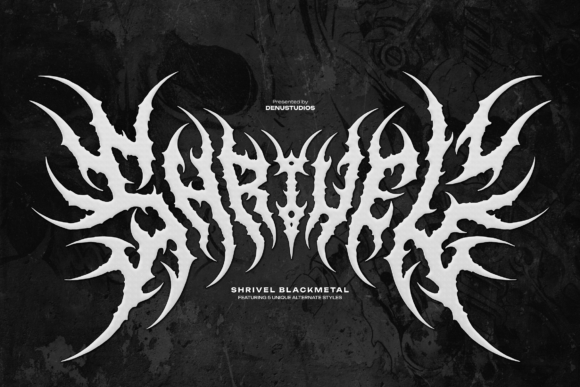
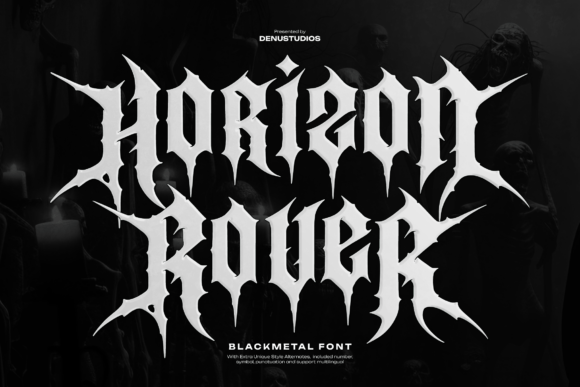
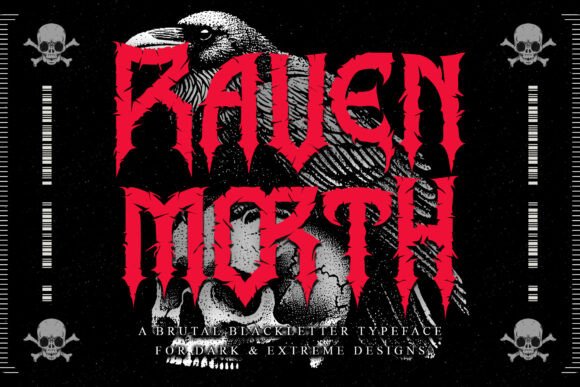
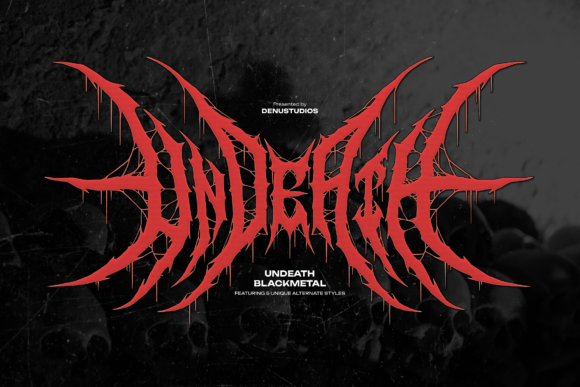
In the world of typography, finding the right font to match a project’s tone and intent is essential. For those seeking a visual identity that exudes raw power, chaos, and darkness, Undeath stands out as a compelling choice. This brutal and aggressive black metal font is not just about style—it’s a statement. Designed with sharp, thorn-like serifs and bleeding letterforms, Undeath captures the essence of extreme metal subcultures and offers a bold aesthetic for any dark-themed design.
What Makes Undeath Unique?
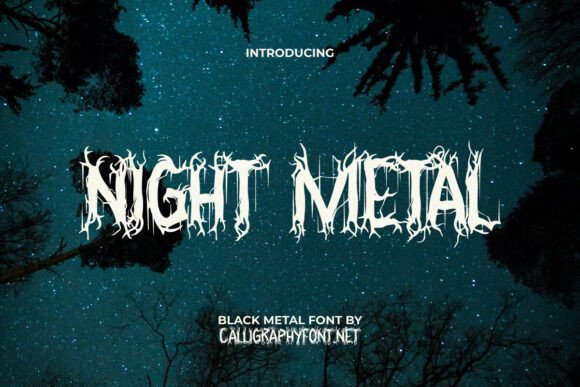
Undeath is more than just another typeface; it’s a tool for expression. Its jagged edges and chaotic structure evoke a sense of danger and intensity, making it ideal for projects where impact is key. The font's design reflects an underground sensibility—think of how black metal bands craft their logos or album art to stand out in a crowded scene. With five unique alternate styles, users can experiment with variations to find the perfect fit for their specific needs.
- Sharp, Thorn-Like Serifs: Each character is designed with a menacing edge, enhancing readability while maintaining a sinister vibe.
- Bleeding Letterforms: The letters appear to bleed or extend beyond their usual boundaries, adding a layer of depth and emotion to the text.
- Versatile Alternates: Whether you're designing a band logo, horror merchandise, or a promotional poster, there are multiple options within the font family to choose from.
Who Can Benefit from Using Undeath?
The versatility of Undeath means it has appeal across various industries and creative fields. Here are some groups who might find this font particularly useful:
- Musicians and Bands: Especially those in the black metal genre, where visual identity often mirrors the music's intensity. A logo in Undeath can make your brand instantly recognizable among fans.
- Merchandise Designers: If you're creating t-shirts, posters, or other items for a horror movie or metal band, this font adds a visceral quality that grabs attention.
- Independent Artists and Creators: From zines to book covers, Undeath brings a level of grit and authenticity that's hard to achieve with more conventional fonts.
- Marketing Professionals: In niche markets such as underground music promotions, using a font like Undeath can help reinforce the message and attract the right audience.
Where to Use Undeath Effectively
While Undeath is undeniably powerful, it's also important to use it appropriately. Below are some common applications where the font truly shines:
- Band Logos: Create a logo that embodies the spirit of your music. The raw energy of Undeath ensures your name stands out in any lineup.
- Album Covers: Black metal thrives on visuals that provoke thought and emotion. Pairing a title in Undeath with dark imagery can enhance the overall experience for listeners.
- Horror Merch: Whether it's for a Halloween store or a fantasy RPG campaign, this font adds a creepy, immersive feel to your designs.
- Event Posters: Underground concerts, festivals, or themed parties benefit greatly from the intense look of Undeath, drawing in crowds looking for something edgy and unconventional.
- Branding for Niche Businesses: Companies targeting audiences into extreme sports, gothic fashion, or alternative lifestyles may find this font aligns perfectly with their brand voice.
Real-World Examples of Undeath in Action
Let’s take a closer look at how Undeath can be applied in real-world scenarios:
Example 1: A black metal band named "Ashen Veil" used Undeath for their debut album cover. The combination of the font’s sharp edges and a background of stormy skies created a haunting visual that helped them gain traction in the underground metal community.
Example 2: A local horror convention promoted itself with a flyer featuring event names and speaker titles in Undeath. The font’s aggressive appearance matched the theme of the event, which focused on classic slasher films and occult culture.
Example 3: An independent comic artist working on a graphic novel set in a post-apocalyptic world chose Undeath for chapter headings and title cards. The font amplified the dark, dystopian atmosphere and added a layer of authenticity to the storytelling.
Evaluating the Suitability of Undeath for Your Project
Before incorporating Undeath into your next design, consider the following factors to determine if it’s the right fit:
- Tone and Audience: Does your project aim to convey aggression, rebellion, or darkness? Is your target audience drawn to extreme aesthetics? If so, Undeath could be a great match.
- Readability: While the font is visually striking, its complexity may affect legibility at smaller sizes. Always test it in different contexts before finalizing your design.
- Project Type: It works best in large-scale print or digital formats where the details can be appreciated. Avoid using it for body text in long-form content unless stylized presentation is your goal.
- Complementary Elements: Think about how the font will interact with colors, images, and spacing. Sometimes a bold font like Undeath needs a minimalist background to avoid overwhelming the viewer.
Strengths and Limitations
Every font has its pros and cons, and Undeath is no exception. Here's a breakdown to help you understand what to expect:
Strengths:
- High visual impact and emotional resonance
- Perfect for short, impactful text (logos, headlines, titles)
- Offers five alternate styles for creative flexibility
- Aligns well with black metal, horror, and alternative themes
Limitations:
- Not ideal for extended reading due to its ornate and complex structure
- May require careful color contrast to ensure visibility
- Could be too intense for mainstream or professional branding
Practical Tips for Working with Undeath
If you decide to use Undeath in your work, here are a few tips to maximize its effectiveness:
- Use Sparingly: Reserve it for key elements like titles, headers, or logos rather than full paragraphs.
- Pair Thoughtfully: Combine it with simpler, sans-serif fonts for body text to balance the design without losing its edge.
- Experiment with Alternates: Try each of the five alternate styles to see which one resonates most with your vision.
- Adjust Spacing and Size: Because of its aggressive nature, adjusting letter spacing and line height can improve readability and prevent the text from feeling cluttered.
- Test Across Platforms: Ensure that the font displays correctly on both print and digital media, especially since some systems may not render all glyphs accurately.
Why Choose Undeath Over Other Fonts?
In a market flooded with fonts, standing out is harder than ever. Undeath offers a distinct advantage by delivering a rare blend of intimidation and creativity. Unlike many standard typefaces, it doesn’t just communicate information—it evokes a mood. This makes it invaluable for designers and creators who want to leave a lasting impression. When used effectively, Undeath transforms text into a visual force, turning words into symbols of rebellion and darkness.
Final Thoughts
Undeath is more than just a font—it's a design element that encapsulates the spirit of the extreme. Whether you're crafting a logo for a black metal band or promoting a horror-themed product, it provides a level of intensity that few other fonts can match. However, it's crucial to weigh its strengths against its limitations and evaluate how it fits into your overall design strategy. Used wisely, Undeath can become a signature part of your creative arsenal, helping you connect with audiences who appreciate bold, unconventional aesthetics.
If you're looking to push the boundaries of your visual communication and embrace a darker, heavier style, consider giving Undeath a try. Just remember to keep usability in mind and always test how it looks in context before committing to a final design.