Nopia Typeface: A Bold Choice for Vintage-Inspired Designs
Typography plays a crucial role in visual communication, shaping how messages are perceived and experienced. Among the many typefaces available today, Nopia stands out as a distinctive option with a unique blend of rugged charm and modern adaptability. Designed to evoke a strong Western aesthetic while maintaining readability and versatility, Nopia is ideal for designers seeking to infuse their projects with a sense of history and bold character.
What Is Nopia and What Makes It Unique?
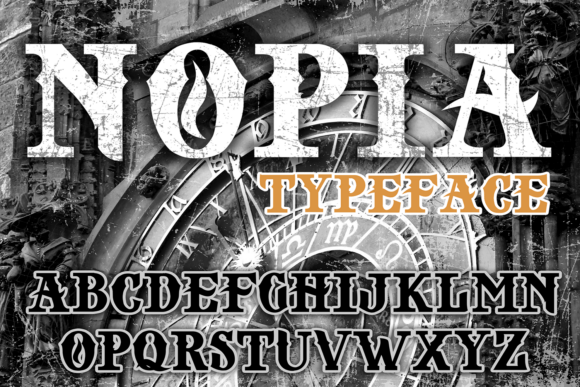
Nopia is a bold slab serif typeface that combines traditional elements with contemporary design sensibilities. Its name hints at its roots—drawing inspiration from vintage typography styles often associated with American West themes, historical branding, and retro aesthetics. The typeface features thick, angular serifs and a distressed texture that gives it an aged, weathered look, reminiscent of old-timey posters or whiskey labels.
One of the key characteristics that set Nopia apart is its ability to balance strength and subtlety. While it has a commanding presence due to its slab serif structure, the distressed details add depth and nuance, preventing it from becoming overly harsh or monotonous. This duality makes it suitable for both high-impact headlines and more subdued background text when appropriate.
Design Elements That Define Nopia
- Bold Slab Serifs: These give Nopia its strong, authoritative feel, making it excellent for grabbing attention.
- Western Flair: Inspired by classic Americana designs, the typeface evokes imagery of saloons, vintage posters, and cowboy culture.
- Distressed Texture: The subtle wear and tear built into the font adds a layer of authenticity and nostalgia.
- Modern Adaptation: Despite its vintage appearance, Nopia maintains clean lines and spacing that allow it to perform well in digital environments.
Comparing Nopia to Other Typefaces in the Slab Serif Category
Slab serif fonts are known for their sturdy, block-like serifs and have long been used in print and web design for their legibility and strong visual impact. While Nopia shares these traits, it also distinguishes itself through its thematic focus and stylistic choices.
Fonts like Rockwell or Clarendon offer a similar robustness but lack the weathered texture that defines Nopia. They tend to be cleaner and more formal, which may not suit the retro or rustic vibe that Nopia delivers. On the other hand, some distressed fonts can become too busy or difficult to read, especially at smaller sizes. Nopia manages to retain clarity even with its added texture, striking a balance between style and usability.
In comparison to script or handwritten fonts, Nopia provides a more structured and professional look while still conveying personality. It’s a middle ground between the wild freedom of calligraphy and the precision of sans-serif or classic serif fonts.
When to Choose Nopia Over Alternatives
- For Poster Headlines: Nopia’s bold nature and distressed style make it perfect for large-scale print where you want to create a dramatic first impression.
- Whiskey Labels and Beverage Branding: The vintage appeal aligns well with spirits marketing, craft beers, and artisanal products aiming for a rugged, nostalgic identity.
- Retro or Historical Themes: Whether designing for a Western-themed event, a museum exhibit, or a brand with a heritage angle, Nopia brings the right kind of visual storytelling.
- Branding Projects Requiring Character: Businesses looking to establish a bold, memorable identity can benefit from Nopia’s strong typographic presence without sacrificing readability.
Strengths and Tradeoffs of Using Nopia
Like any typeface, Nopia has its strengths and limitations. Understanding these can help you determine if it's the best fit for your project.
Strengths
- High Visual Impact: The bold weight and slab serif structure ensure that text using Nopia commands attention, especially in larger formats.
- Vintage Aesthetic Appeal: Its distressed look naturally complements retro-inspired designs, helping to convey a sense of timelessness and authenticity.
- Flexibility Across Media: Though it thrives in print, Nopia is optimized for digital use, allowing it to maintain its integrity on websites, mobile apps, and social media platforms.
- Strong Brand Identity Support: For businesses targeting niche markets or those rooted in tradition, Nopia can reinforce brand messaging effectively.
Tradeoffs and Limitations
- Not Ideal for Long Text Passages: Due to its heavy weight and textured finish, using Nopia for extended body copy could reduce readability and increase eye strain.
- May Clash With Modern Styles: If your design leans heavily toward minimalist or futuristic aesthetics, the vintage qualities of Nopia might not align with the overall theme.
- Requires Careful Pairing: To avoid overwhelming the layout, Nopia should be paired with lighter, more neutral typefaces for supporting text or background content.
Best-Fit Use Cases for Nopia
Knowing where Nopia shines helps maximize its effectiveness. Here are some practical scenarios where this typeface is particularly well-suited:
1. Poster and Print Advertising
Nopia excels in poster design where the goal is to capture attention quickly. Its bold structure and distressed texture lend themselves well to movie posters, event announcements, and promotional flyers that aim to stand out visually. The font works especially well when paired with rich colors and rough textures in the background.
2. Whiskey and Spirits Branding
Many craft distilleries and boutique brands use Nopia for bottle labels, packaging, and promotional materials. The font’s Western flair and vintage feel resonate with consumers who associate such aesthetics with authenticity and craftsmanship. Think of a label that reads “Old Mountain Reserve” in Nopia—its boldness and texture immediately suggest age, quality, and a storied background.
3. Retro-Themed Websites and Apps
If you're developing a website or app with a retro or historical theme, Nopia can enhance the experience without being distracting. For example, a site dedicated to vintage car restoration or a platform selling handmade leather goods could use Nopia for headings and titles to create an immersive atmosphere.
4. Event Signage and Invitations
Weddings, festivals, or themed parties often benefit from custom typography. Nopia offers a distinctive choice for signage, invitations, and programs that need a touch of rustic elegance or old-school charm. It works particularly well for events with a Western or frontier theme.
Decision Factors When Choosing Nopia
Deciding whether to use Nopia depends on several factors related to your project’s goals, audience, and context. Consider the following before finalizing your choice:
- Target Audience: Will your audience appreciate the vintage aesthetic? If your demographic prefers minimalism or modernity, Nopia might not be the best fit.
- Project Purpose: Are you designing for branding, advertising, or editorial content? Nopia suits branding and advertising more than long-form reading material.
- Medium of Display: Does your design appear primarily in print or online? Nopia performs well in both but requires thoughtful implementation in digital settings.
- Brand Personality: Does your brand communicate ruggedness, tradition, or boldness? If so, Nopia could align perfectly with your messaging.
Practical Examples of Nopia in Action
To better understand how Nopia can be applied, let’s explore a few realistic examples across different industries:
Example 1: Craft Whiskey Label
A small-batch whiskey producer wants to highlight its product’s heritage and quality. By using Nopia for the brand name and slogan, they instantly evoke a sense of timelessness and authenticity. The font pairs well with hand-drawn illustrations of barrels and mountains, creating a cohesive, story-driven package.
Example 2: Western Music Festival Poster
An outdoor music festival celebrating classic country and blues uses Nopia for the main title. The font’s boldness ensures visibility from a distance, while the distressed texture enhances the gritty, authentic feel of the event. Supporting text is kept simple and legible to avoid clutter.
Example 3: Historical Museum Exhibit Guide
A museum curating a 19th-century pioneer exhibit incorporates Nopia into signage and promotional brochures. The font supports the educational and thematic goals by giving visitors a tactile connection to the past through its typographic style.
Alternatives to Consider Based on Your Needs
While Nopia is a powerful choice for specific applications, there are times when alternative fonts may serve your needs better. Here are a few categories and examples to consider depending on your design goals:
For Cleaner, More Professional Looks
If your project demands a polished appearance without the rugged texture, consider alternatives like Futura or Lato. These fonts are highly legible and work well for body text or corporate branding where Nopia might seem too informal or chaotic.
For Fully Handwritten or Calligraphic Styles
Fonts like Brush Script or Great Vibes provide a more fluid, artistic feel. However, they sacrifice the structural stability and clarity that Nopia offers, making them less suitable for headlines or logos needing strong typographic presence.
For Digital Readability
On websites where long blocks of text are common, opting for a more neutral font like Open Sans or Merriweather can improve user experience. Nopia is better reserved for accents, headlines, or decorative elements rather than full paragraphs.
How to Evaluate Nopia for Your Project
Evaluating Nopia involves considering both its stylistic qualities and functional performance. Here’s a quick framework to help guide your decision:
- Define Your Design Goals: What do you want your typography to communicate? Boldness, nostalgia, authority, or simplicity?
- Test It in Context: Apply Nopia to sample layouts or mockups to see how it interacts with other design elements and color schemes.
- Assess Readability: Check how well it functions at different sizes and on various screens. Ensure it doesn’t compromise legibility when used in critical areas.
- Compare With Alternatives: Look at other slab serif or vintage-style fonts to see if Nopia offers the right balance of form and function for your needs.
Conclusion
Nopia is a versatile and expressive typeface that bridges the gap between vintage charm and modern functionality. Its bold slab serif design and distressed texture make it a compelling choice for projects requiring a rugged, nostalgic, or Western aesthetic. However, its heavy-handed style means it isn’t always the best option for every design scenario. By understanding when and how to use Nopia, you can leverage its unique character to elevate your creative output without overcomplicating your message or visuals.