Black Phobia: The Font That Embodies Horror and Intensity
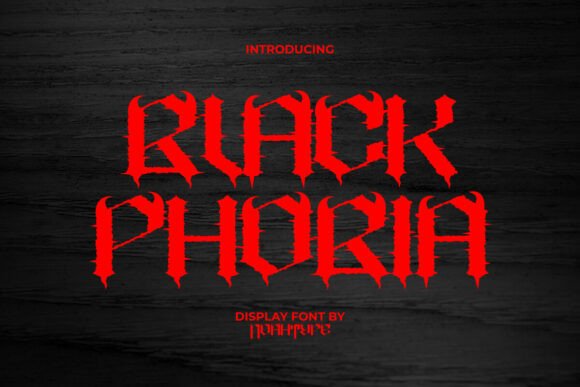
Fonts play a powerful role in shaping the visual tone of any design. They can evoke emotions, set moods, and communicate messages without a single word being read. In the world of horror and dark aesthetics, typography is especially crucial—it’s not just about readability, but about creating an atmosphere that grips the viewer with fear, dread, or unease. One such font that has carved its name into the pantheon of intense typefaces is Black Phobia. Known for its razor-sharp, spiky serifs and heavily fragmented structure, this typeface is more than just a font; it’s a symbol of menace and terror.
What Is Black Phobia?
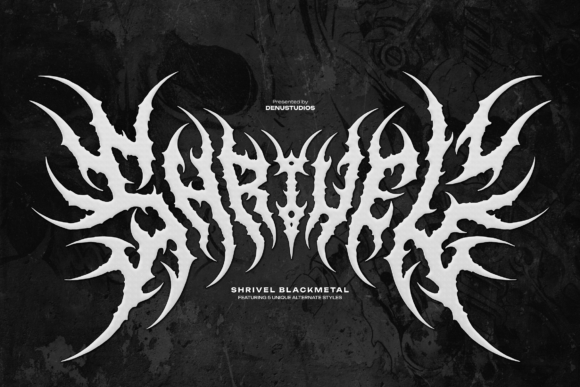
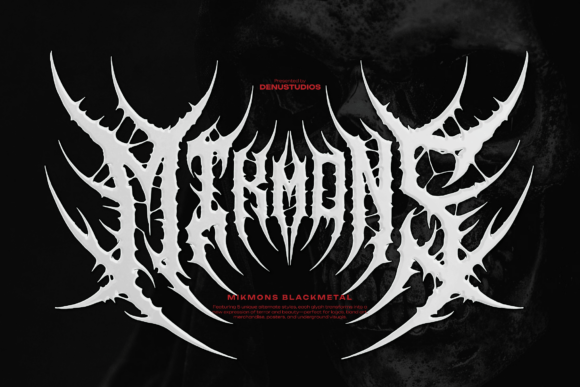
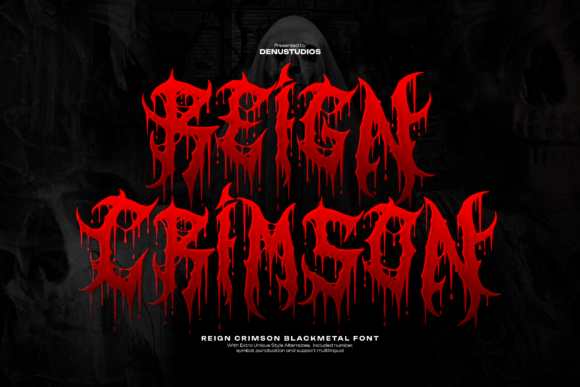
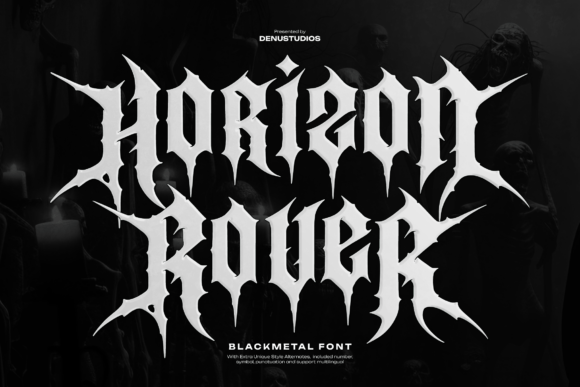
Black Phobia is a display font designed to evoke pure horror and intensity. Its jagged, dagger-like terminals and aggressive, fragmented look make every letter appear like a dark emblem poised to strike. This font is part of a broader category known as gothic or horror fonts, which are often used in media and entertainment to create a sense of foreboding or danger.
The name “Black Phobia” itself hints at the font’s purpose—to instill a sense of blackness, fear, and unease. It combines elements of traditional serif fonts with modern, brutalist design choices, resulting in something both familiar and disturbingly unique. Each character is crafted to stand out, whether through its sharp angles or its heavy contrast between thick and thin strokes.
Design Features of Black Phobia
- Razor-Sharp Serifs: Unlike the smooth, elegant serifs found in classic fonts, those in Black Phobia are aggressively angular and pointy. These features contribute to the font's menacing appearance.
- Fragmented Structure: The letters are intentionally broken or disjointed, giving the impression of instability and chaos—perfect for themes involving destruction or madness.
- High Contrast: The extreme differences between thick and thin strokes add depth and tension to each character, making them visually striking even from a distance.
- PUA Encoding Support: This allows users to access special characters and decorative glyphs seamlessly, enhancing the font’s versatility for creative projects without needing extra software.
Purpose and Significance
Fonts like Black Phobia serve a specific artistic and communicative function. They’re not meant for everyday use, such as body text in documents or websites. Instead, they’re ideal for headlines, logos, posters, and other visual content where impact is essential. Their primary purpose is to convey emotion and theme quickly and powerfully.
In the context of horror and metal music genres, Black Phobia becomes more than just a font—it’s a storytelling tool. It can transform a simple title into a chilling proclamation. For example, imagine using Black Phobia on the cover of a horror novel. The words would immediately suggest something sinister lurking within, drawing readers in with their ominous presence.
Why Designers Choose Black Phobia
- Memorable Aesthetic: With its bold, distorted style, Black Phobia ensures that whatever it's applied to won’t be forgotten. It leaves a lasting impression, which is key in branding and marketing for horror-related content.
- Emotional Impact: The font communicates danger and intensity without the need for additional imagery. It’s perfect for situations where you want the message to speak for itself.
- Genre-Specific Relevance: Whether designing a movie poster, band logo, or video game title, Black Phobia aligns perfectly with the dark, edgy visuals associated with horror and metal genres.
- Accessibility of Decorative Elements: Thanks to PUA encoding, designers can easily incorporate special symbols and glyphs that enhance the overall look of the project without technical barriers.
Applications in Modern Life and Creativity
While Black Phobia may seem like a niche choice, its practical relevance extends beyond just horror-themed designs. In today’s digital landscape, where first impressions matter more than ever, this font can help creators stand out in a crowded market.
Here are some real-world applications of Black Phobia:
- Movie Titles: Directors and graphic designers working on horror films often choose fonts like Black Phobia to capture the essence of fear and suspense right from the start.
- Book Covers: Authors in the horror or fantasy genre can use this font to create a visceral reaction in potential readers, encouraging them to pick up the book.
- Video Game Logos: Gaming studios looking to develop titles with a dark or apocalyptic setting can benefit from the font’s ability to amplify the mood of their branding.
- Band Merchandise: Metal bands frequently use aggressive fonts to reflect their music’s intensity. Black Phobia fits this mold beautifully, adding a layer of authenticity to album art and T-shirts.
- Event Posters: Whether promoting a haunted house experience or a dark-themed concert, this font can instantly elevate the visual appeal and thematic consistency of the design.
Real-Life Examples of Black Phobia in Use
Consider how Black Phobia might be used in different contexts:
- A horror film poster titled “The Hollow Ground” uses Black Phobia to emphasize the unknown and the terrifying depths beneath the surface.
- A metal band named “Crimson Abyss” incorporates the font into their album artwork to match the aggressive tone of their music.
- A video game called “Dark Dominion” employs the font for its main logo and menu screens to immerse players in a world of darkness and conflict.
In each case, the font doesn't just support the design—it defines it.
Understanding the Gothic-Horror Aesthetic
Black Phobia is rooted in the gothic-horror aesthetic, a design philosophy that blends darkness, mystery, and elegance. This style draws inspiration from gothic architecture, literature, and cinema, emphasizing dramatic contrasts and unsettling beauty.
Some common characteristics of the gothic-horror aesthetic include:
- Dark color palettes (black, deep red, shadow gray)
- Ornate details and grotesque imagery
- Heavy, brooding typography
- Atmospheric lighting and textures
By embodying these traits, Black Phobia fits naturally into projects that aim to invoke a sense of dread or supernatural intrigue. It's a font that understands the language of horror and speaks it fluently.
Common Misconceptions About Black Phobia
Despite its popularity in certain circles, there are some misunderstandings about what Black Phobia can and cannot do:
- Misconception 1: It’s only suitable for horror. Reality: While it excels in horror, it can also work in fantasy, thriller, or even avant-garde fashion if used thoughtfully.
- Misconception 2: It’s hard to pair with other fonts. Reality: Black Phobia works best when paired with simpler, cleaner fonts to balance its intensity. For instance, a sans-serif font in white could complement it well in a dark background layout.
- Misconception 3: It’s too aggressive for most audiences. Reality: The font's effectiveness lies in its targeted use. When applied appropriately, it can engage rather than alienate the audience.
How to Use Black Phobia Effectively
Using a font like Black Phobia requires careful consideration. Because of its high-intensity design, it’s best suited for short bursts of text rather than long paragraphs. Here are some tips for integrating it into your designs:
- Use Sparingly: Apply it only to headlines or key phrases. Too much of it can overwhelm the viewer and dilute its impact.
- Pair with Simplicity: Balance the font with minimalistic backgrounds and clean supporting text to avoid clutter.
- Experiment with Color: Although typically used in black or dark tones, trying shades of red or purple can deepen the horror effect.
- Layer for Depth: Combine it with textures like grunge, blood splatters, or smoke effects to enhance the gothic feel.
For example, a designer might use Black Phobia for the title of a haunted house event while keeping the rest of the flyer in a soft, muted font. This contrast helps draw attention to the most important part of the design—the title—while maintaining legibility elsewhere.
Tools and Resources for Working with Black Phobia
To get the most out of Black Phobia, consider using the following tools and techniques:
- Graphic Design Software: Programs like Adobe Photoshop, Illustrator, or Figma allow for full customization of the font’s appearance, including layering and effects.
- Online Font Generators: If you're not a professional designer, online tools can let you preview and apply the font to your project with ease.
- Font Pairing Sites: Platforms like Google Fonts or Typekit offer suggestions for complementary fonts that can help balance Black Phobia's aggressive nature.
Always test the font in different sizes and environments to ensure it performs well across platforms and devices.
Why Black Phobia Matters in Today’s Design World
In a time when visual communication dominates our screens, fonts have become essential storytelling elements. Black Phobia isn’t just about looking scary—it’s about creating an emotional response. It taps into primal fears and associations with darkness, making it a compelling choice for creators who want to leave a mark.
Moreover, the font reflects current trends in design, particularly in the entertainment industry. As audiences crave more immersive and intense experiences, the demand for fonts that can visually represent these themes continues to grow. Black Phobia meets that need head-on, offering a unique way to convey horror, rebellion, or mystique.
Black Phobia in Business and Branding
Businesses that operate within the horror, gaming, or alternative music scenes can benefit greatly from using Black Phobia in their branding. It adds an edge and a level of authenticity that sets them apart from competitors. For example:
- A thriller movie studio might use the font to promote their latest release, ensuring that the title commands attention and conveys the right tone.
- An independent record label specializing in doom metal could use it to create a strong brand identity across all merchandise and promotional materials.
- A dark fantasy board game might use it in packaging and rulebooks to enhance the mysterious and dangerous vibe of the game.
These examples show how Black Phobia isn’t just for artists and designers—it has tangible business value by helping brands connect emotionally with their target audience.
Final Thoughts
Black Phobia is more than a font; it’s a statement. Its razor-sharp serifs and fragmented structure make it a standout choice for anyone looking to infuse their designs with intensity and fear. Whether you're a seasoned designer or a hobbyist, understanding how to use such fonts effectively can open new doors in creativity and communication.
As we continue to explore the intersection of design and emotion, fonts like Black Phobia will remain vital tools for conveying powerful messages. They remind us that typography is not just about reading—it's about feeling. And in the realm of horror, feeling is everything.